Key takeaway
Key takeaways
- Exact models, not categories, on the equipment list
- Spares for anything that would stop the show
- Power sanction plus generator changeover confirmed
- One named show-caller holding the cue sheet
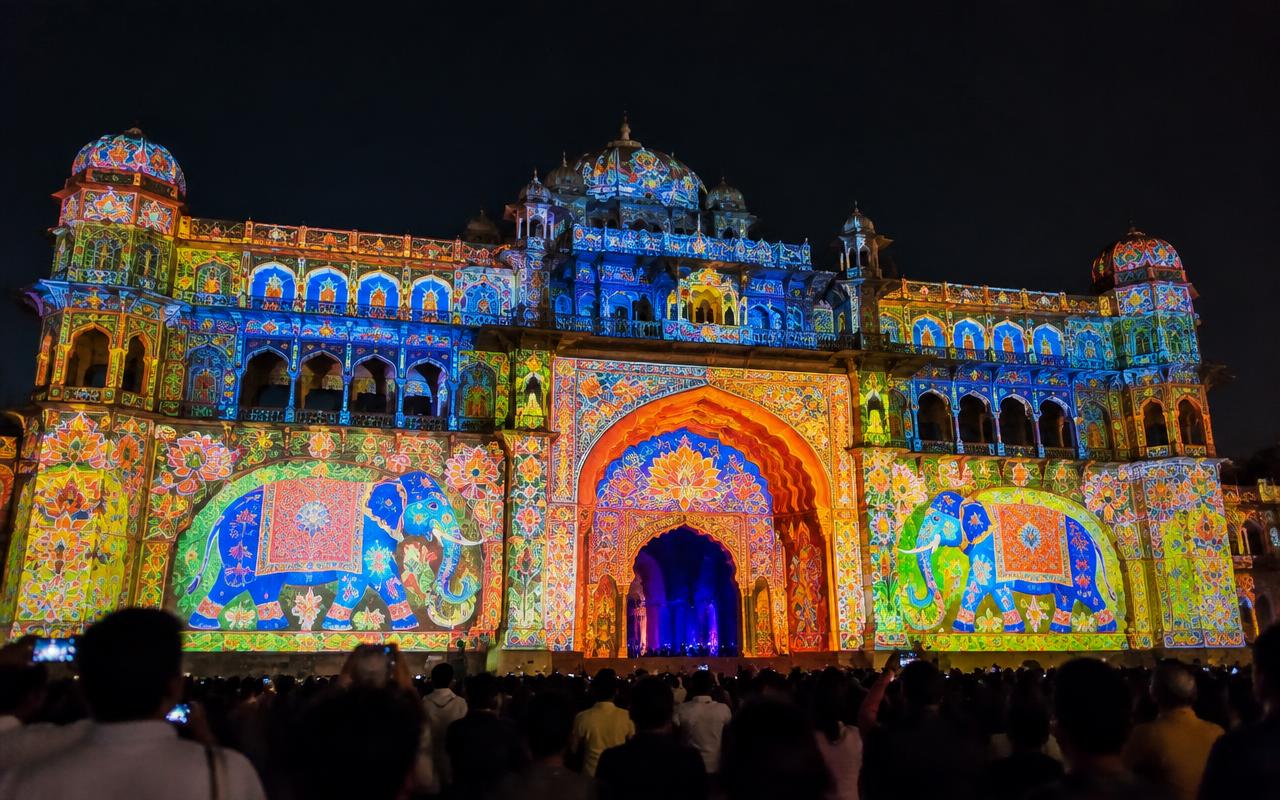
3D Projection Mapping: pre-show checklist
Equipment & specification
- Projector class confirmed: 20,000 – 40,000 ANSI lumens, laser phosphor or RGB laser, 3-chip DLP
- Surface reflectance assumption confirmed: 20 – 35 per cent for stone and painted plaster, lower for dark granite
- Typical façade budget confirmed: Approximately 250 – 400 lumens per square metre of lit surface, ambient dependent
- Blend overlap confirmed: 10 – 20 per cent soft-edge between adjacent projectors
- Media servers confirmed: disguise gx/vx, AV Stumpfl Pixera, Dataton Watchout
- Itemised list naming exact models, not categories
- Spares for mics, cables, processors and any single point of failure
Power & safety
- Venue sanctioned load confirmed in writing against the rig's draw
- Silent generator sized with automatic changeover
- Earthing check completed and logged
- Rigging certification and load calculations signed off
- Cable covers on every walkway and crowd line
People
- Mapping technician named and briefed
- Media server operator named and briefed
- Content artist named and briefed
- Projector technician named and briefed
- Rigger named and briefed
Timings
- Load-in slot agreed with the venue in writing
- Sound check and line check scheduled
- Full technical rehearsal booked with real presenters and real content
- Venue curfew and strike window confirmed
Content & handover
- 3D geometry model of the mapped surface with the UV layout
- Projector placement study with throw, brightness and coverage calculations
- Master render of the show content at delivery resolution
- Media server show file with timecode cues and a mirrored backup
- All video, audio and slides delivered 72 hours ahead in the agreed format
What this checklist is protecting you from
What can go wrong
How we prevent it
- What can go wrong
Street lighting or a neighbouring building's floodlights wash the façade and the show looks grey.
How we prevent itAmbient readings are taken at the show hour during the survey, and the blackout of specific street and site lights is negotiated and written into the permission before content is budgeted.
- What can go wrong
Content is authored before projector positions are fixed, so the animation does not sit on the geometry.
How we prevent itContent production does not begin until the projector study is signed off, because the mapping is authored against those exact camera positions.
- What can go wrong
A projector tower settles overnight in soft ground and the whole blend is out by morning.
How we prevent itTowers are built on load-spreading base plates, ballasted, and positions are physically marked so a realignment check before each show takes minutes.
- What can go wrong
Dust and heat in an outdoor enclosure cause thermal shutdown mid-show.
How we prevent itIP-rated enclosures with filtered forced-air cooling, filters changed daily on a multi-night run, and internal temperature logged during rehearsal.
- What can go wrong
Brightness is calculated from lumens alone and the dark stone façade swallows the image.
How we prevent itThe calculation includes measured surface reflectance, not an assumed figure, and a test projection on the actual material is done at survey wherever access allows.
- What can go wrong
The audience ends up standing off the designed viewing axis and the 3D illusion collapses.
How we prevent itThe viewing position is part of the design and is barricaded or seated on site, with content checked from the extreme left and right of the intended crowd area.
Want this tailored to your event?
Get an itemised quote from Prime AV Solutions within 24 hours — call +91 93093 80958 or WhatsApp our producers.
Published 20 June 2026 by the Prime AV Solutions production team.