Event production
Product Launches done right.
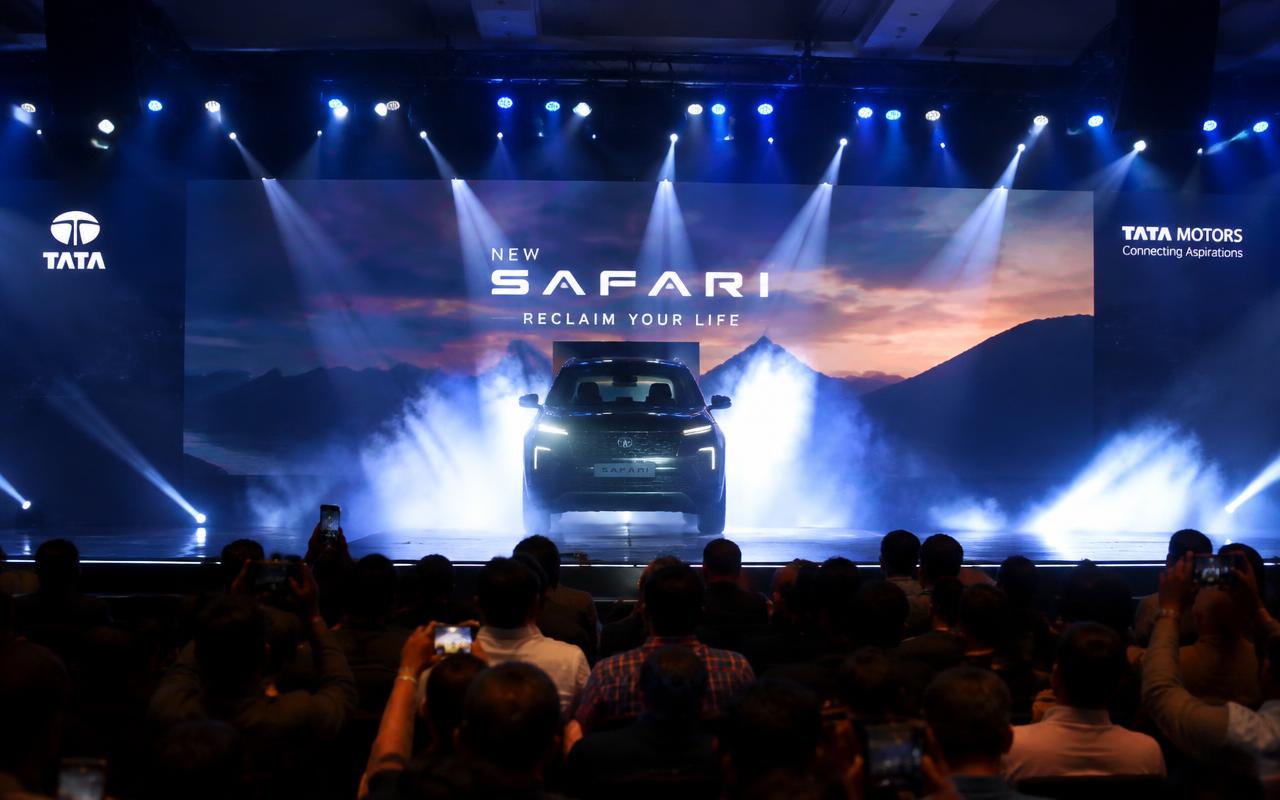
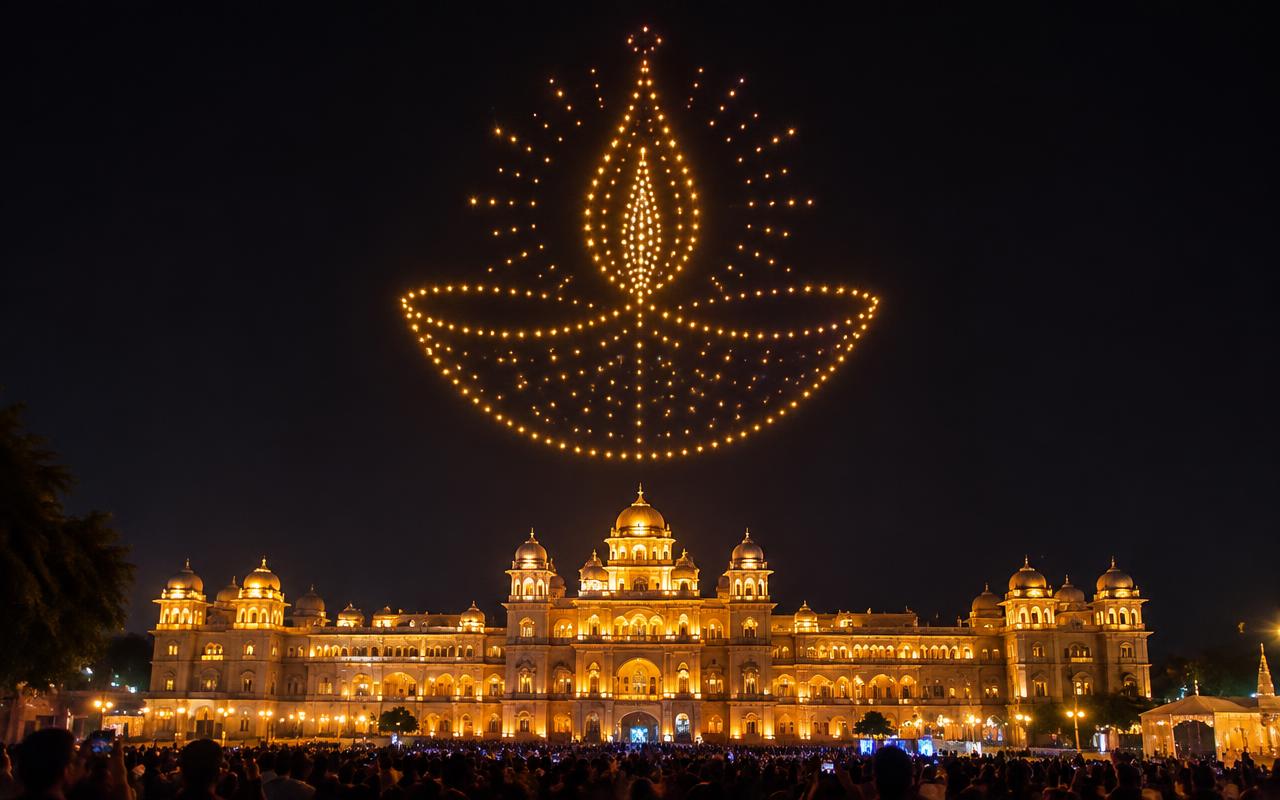
Reveal moments engineered for applause and Instagram — kinetic LED, projection mapping, haze, pyro-safe effects and drone reveals.
- Lead time
- 8 weeks out
- Coverage
- 90+ Indian cities
- Crew
- In-house, show-caller led
Key takeaway
Producing product launches well
A product launch is one cue with an event built around it. Decide the reveal mechanism first, then design backwards: if the hero shot is a kabuki drop, the truss height, the fabric weight and the release timing are fixed before anything else is drawn. If it is projection onto the product, the surface finish, the projector throw and the ambient light level are already constrained. Everything upstream, from the opening film to the chief executive's walk-on, exists to deliver the room into that single moment in the right emotional state.
The output of a launch is media assets, so plan the frame before the room. Agree with the public-relations team which single camera position produces the photograph that will run, protect its sightline, and keep photographers and phone-holding guests out of it with a riser and a rehearsed floor manager. Light the product for a camera rather than for an audience, which usually means more front fill and less haze than the lighting designer would prefer. Shoot clean ISO feeds so the same reveal cuts into broadcast, social and dealer-training edits.
Rehearse with the actual product, and if it has not arrived, rehearse with a dummy of identical mass and dimensions. Turntables stall, lifts jam, covers snag on a bracket and automated drapes catch in a cross-draught, and all of those are discovered on the twelfth run, never the second. Run the reveal end to end at least six times with the full lighting, audio and video stack live, then build a manual override for every automated element so a stuck motor becomes an inelegant reveal rather than no reveal.
What great product launches need
- Reveal choreography & cueing
- Projection mapping on product
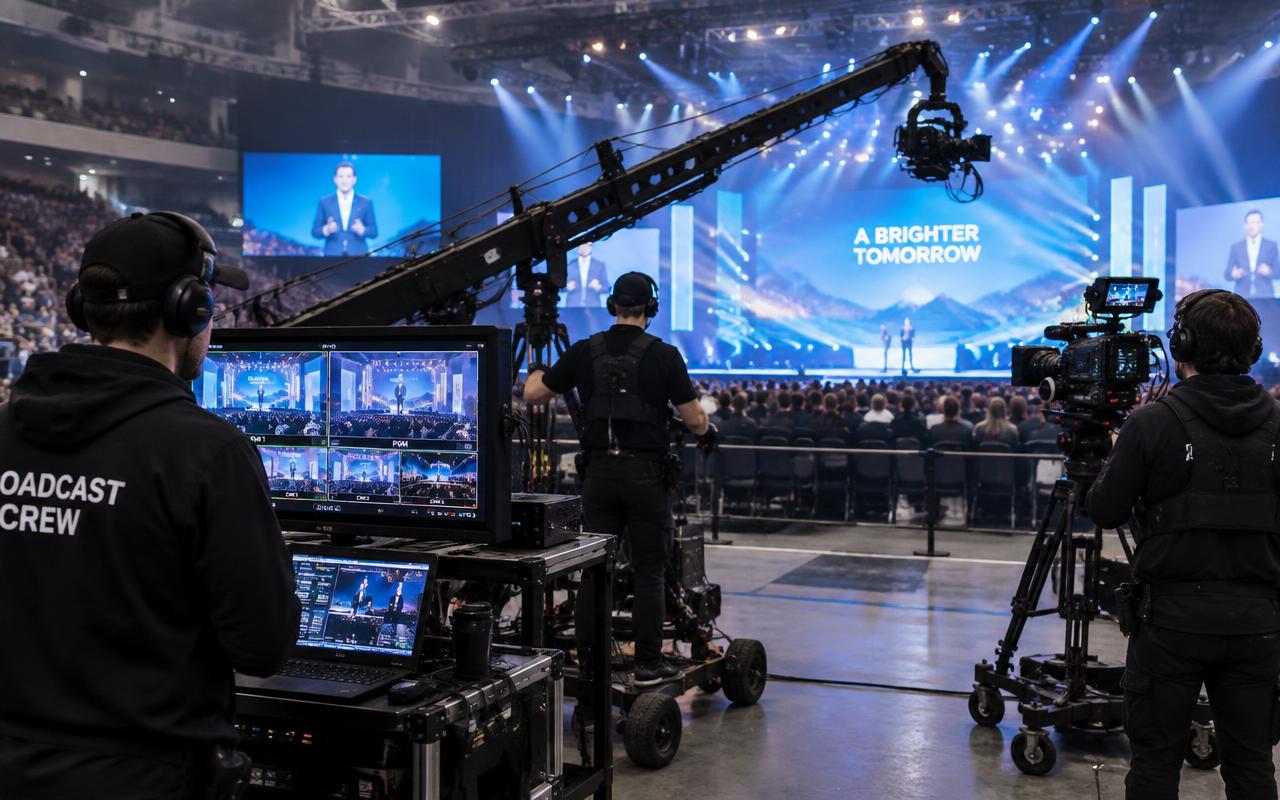
- Broadcast cameras for media
- Drone show finales
What you will be judged on afterwards
- The reveal landed in one clean camera frame the public-relations team could issue without cropping or apology.
- Coverage carried the product looking the way the brand team intended, not lit orange or lost in haze.
- Channel partners and the sales team left able to describe the product's three headline claims unprompted.
- Nothing about the mechanism was visible before the cue, and no embargoed detail leaked during rehearsal.
- The usable footage was in the agency's hands fast enough to matter to the news cycle.
Run of show
A typical product launches schedule
| Time | Moment | What AV is doing |
|---|---|---|
| T−3 days | Content and product arrival | Final renders ingested and checked frame rate by frame rate; product or mass dummy placed on the reveal mechanism. |
| T−1 day | Reveal rehearsal | Six full passes of the reveal with lighting, audio, video and automation live, plus a manual override pass with motors disabled. |
| T−4 hrs | Media riser and camera lock | Hero camera position fixed and taped, photographers' riser set, clean feeds and recording confirmed on every camera. |
| 17:30 | Doors and demo zones | Ambient bed, teaser loop on screens, demo-station displays and content players verified one by one. |
| 18:00 | Opening film | Blackout, full-level film playback, haze pre-charged to the level agreed with the photography team. |
| 18:20 | Leadership address | IMAG to the speaker, lighting state holds the product in shadow, reveal crew take standby positions. |
| 18:40 | The reveal | Music sting, drop or projection cue, product light snaps up, hero camera holds a clean five-second frame before any cutting. |
| 19:15 | Press interaction | House lights up, product under continuous lighting for photography, interview audio recorded on a separate feed. |
Scope
Product Launches scope levels
A hotel ballroom reveal for 150 – 250 guests: LED backdrop, clean PA, stage wash with a dedicated product light, one simple reveal mechanism and two-camera coverage.
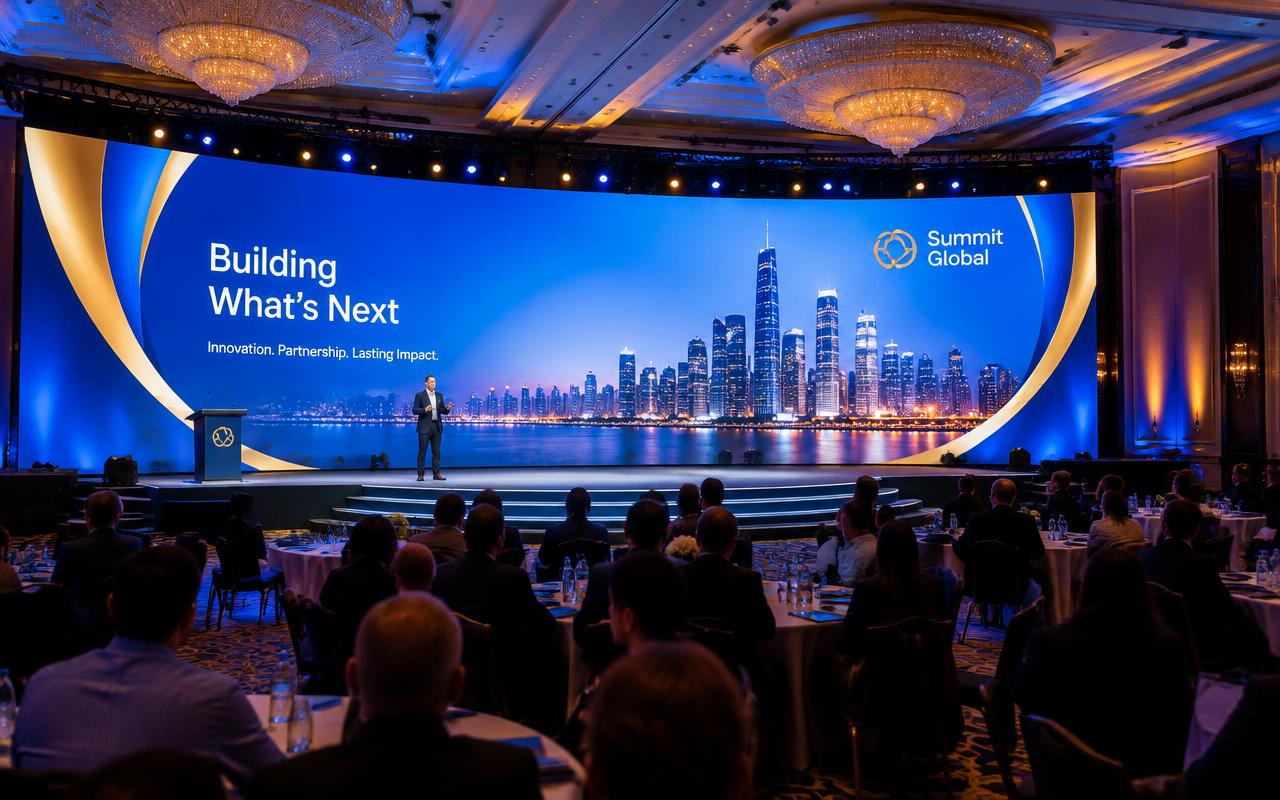
Designed set with shaped or curved LED, lighting design with haze and effects, three or four cameras including a jib, custom reveal automation and a live stream for dealer networks.
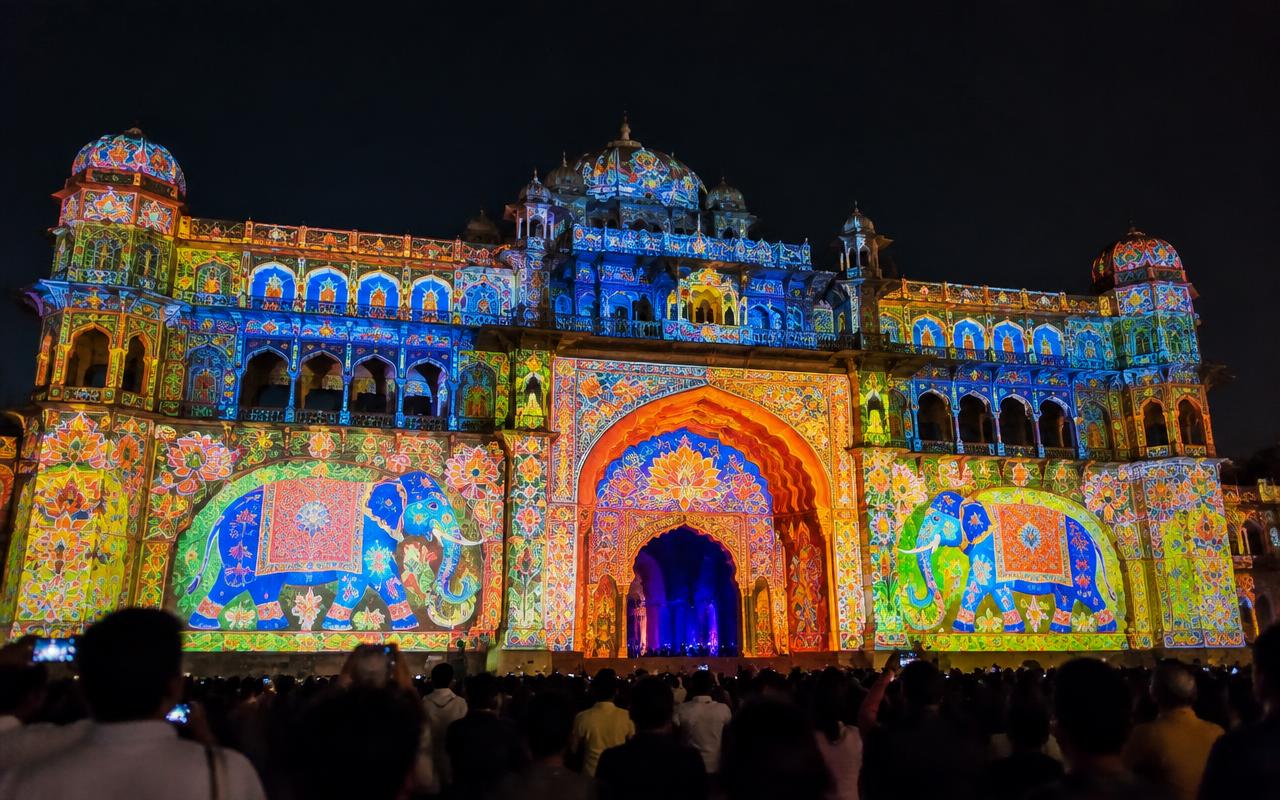
Projection mapping on the product or venue façade, custom 3D content from storyboard, kinetic or floor LED, full broadcast control, media riser infrastructure and same-day edits.
Outdoor or arena-scale launch with a drone show or large-format mapping finale, multi-zone audio, full redundancy and a multi-day build with rehearsal days.
Services
Recommended production stack
Timeline
Planning milestones
- 8 weeks out
Reveal concept locked
Mechanism, hero frame and the emotional shape of the show agreed between brand, agency and production before any kit is specified.
- 6 weeks out
Content production starts
Storyboards signed off, canvas map and delivery specification issued, 3D content and mapping templates begin.
- 4 weeks out
Technical design and automation build
Set drawings, rigging and load calculations, automation fabrication and projector or LED selection finalised.
- 1 week out
Content delivery deadline
All renders in hand and played back on the actual processing chain, with time left for one re-render.
- T−1 day
Reveal rehearsals
Repeated full passes with product or dummy, override drills, and a camera-framing review with the public-relations team.
- T+1 day
Asset handover
Clean ISO recordings, hero-angle master and a cut highlight reel delivered to the agency.
Risk control
What goes wrong, and how we stop it
What can go wrong
How we prevent it
- What can go wrong
The product arrives on the day of the show, or arrives damaged.
How we prevent itRehearse against a mass-and-dimension dummy from the first build day, and insist the real unit lands at least twenty-four hours before doors with a cosmetic inspection logged on arrival.
- What can go wrong
Haze or pyrotechnic effects set off the venue's smoke detection.
How we prevent itGet written isolation of the relevant detection zones from venue engineering, test the haze level at the actual density during rehearsal, and have the fire officer witness that test.
- What can go wrong
Photographers and guests holding phones block the agreed hero angle.
How we prevent itBuild a physical riser for media, tape the floor, and brief a floor manager whose only task during the reveal is keeping that single sightline clear.
- What can go wrong
Final content renders arrive at midnight in the wrong resolution or frame rate.
How we prevent itIssue a written delivery specification with resolution, frame rate, codec and canvas map at briefing stage, and set a rehearsal-day content deadline that is genuinely enforced.
- What can go wrong
The automated reveal mechanism jams in front of the audience.
How we prevent itDesign a manual override for every motor, drape and lift, rehearse the override as a named cue, and station a crew member on each mechanism rather than running it all from the desk.
- What can go wrong
Rehearsal leaks the product before the embargo lifts.
How we prevent itRun the full reveal in a cleared room with a signed crew list, cover the product between passes, and keep venue and decor contractors out of the hall for those windows.
Process
How we deliver
01
Brief & recce
We visit the venue, map power and rigging, and understand your show flow.
02
Design & quote
CAD plans, 3D previews and an itemised quote within 24 hours.
03
Build & rehearse
Load-in, system tuning, content checks and full technical rehearsal.
04
Show & strike
Show-caller-led execution, then a quick, clean load-out.
Cities
Product Launches AV across India
Tier 1 metros
Tier 2 cities
Covering 89 cities with our own inventory and touring crew.
FAQ