Event production
Fashion Shows done right.
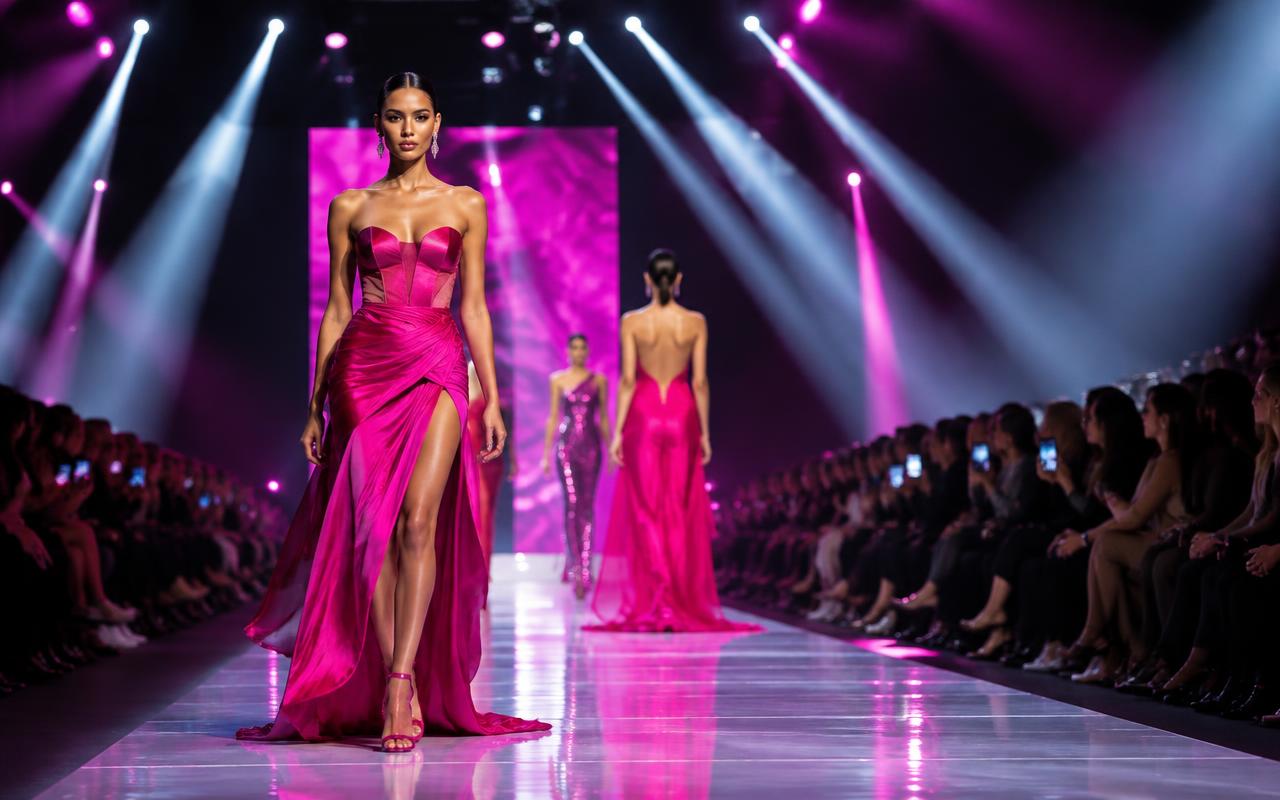
Runway lighting with perfect skin tones, punchy sound, LED backdrops and camera-ready ramps for designers and fashion weeks.
- Lead time
- 5 weeks out
- Coverage
- 90+ Indian cities
- Crew
- In-house, show-caller led
Key takeaway
Producing fashion shows well
Runway lighting is a colour-rendering problem disguised as a design one. Garments are bought and photographed under your light, so the front wash needs a high colour-rendering index, a consistent colour temperature along the entire ramp and enough level for a photographer at the end of the runway to shoot at a sensible shutter. Shadowing across the face is the thing to avoid: light from front and slightly above at a repeatable angle, add back light to separate the model from the backdrop, and resist the temptation to put colour anywhere that touches skin or fabric.
The show is twelve minutes long and takes six hours to rehearse. That time goes into the line-up order, the music edit and the timing of each exit, because once the first model walks there is no stopping. Lock the music as a timecoded edit, cue the lighting states to it, and rehearse with the actual walk speed rather than an assumed one. Expect the designer to reorder the sequence backstage an hour before doors, so the cue structure should be built around looks and segments rather than around individual model numbers.
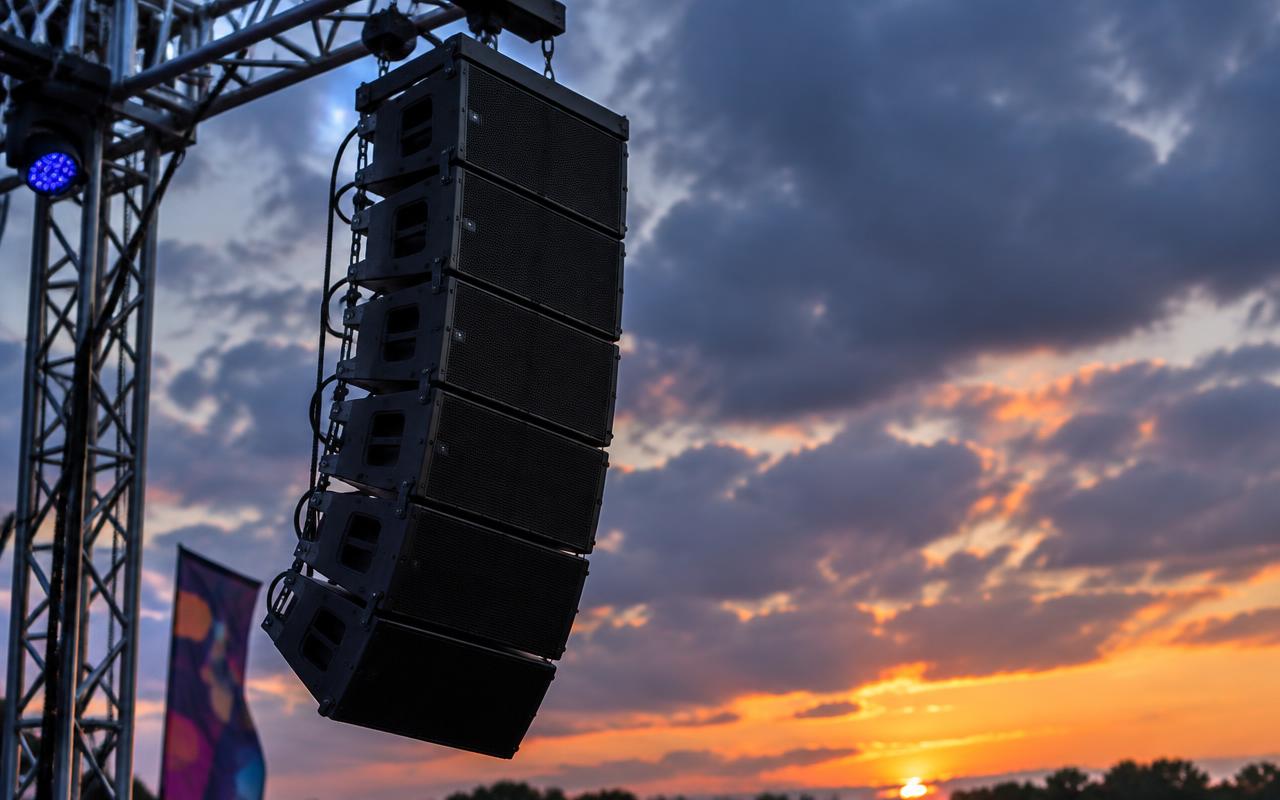
The build itself is unforgiving in two directions. The ramp must be stiff, level and quiet under heels, with a surface that does not reflect the front light into the cameras and a height that still gives the seated front row a sightline past the photographers' pit. Audio needs even coverage along the full length rather than two loud boxes at the top, because guests sit within arm's reach of the runway. Backstage needs a music and comms feed, a monitor showing the ramp, and a dresser area lit well enough to check a garment before it walks.
What great fashion shows need
- Ramp lighting design
- LED backdrops
- Punchy runway sound
- Media camera positions
What you will be judged on afterwards
- Garment colour in the published photographs matched what the designer saw in the studio.
- Every model's face was evenly lit along the whole ramp, with no dark patch and no hot spot.
- The show ran as one unbroken twelve-minute piece with no visible cue hesitation.
- The front row could see the runway past the photographers' pit without leaning.
- The designer could reorder the line-up an hour before doors without the show having to be rebuilt.
Run of show
A typical fashion shows schedule
| Time | Moment | What AV is doing |
|---|---|---|
| T−1 day | Ramp and rig build | Ramp decked, levelled and surfaced; truss and lighting rig up; backdrop or LED built and content mapped. |
| T−8 hrs | Lighting focus | Front wash focused for even colour along the full ramp length, colour temperature matched fixture to fixture, back light and pit angle set with a stand-in. |
| T−5 hrs | Music and cue build | Final edit loaded as a timecoded track, lighting states cued to it, segment markers set so the designer can reorder without rebuilding the show. |
| T−2 hrs | Model walk-through | Full run with real walk speed and real garments, backstage comms and ramp monitor tested, photographer test shots reviewed on camera. |
| 18:30 | Doors | Pre-show lighting state, ambient bed along the ramp, backdrop on a holding loop, pit confirmed clear and taped. |
| 19:00 | Show starts | House to show state in one cue, music from timecode, lighting segments follow the line-up, no live improvisation once the first model walks. |
| 19:12 | Finale | Full ramp level for the group walk, backdrop to the designer's finale content, cameras locked wide for the full line. |
| 19:20 | Designer bow and press | House light up to a photography-usable level, audio to interview mode, backdrop to the brand frame for press shots. |
Scope
Fashion Shows scope levels
A hotel or studio ramp up to 20 metres: high-CRI front wash, back light, a clean distributed audio line along the ramp, playback and a fabric or printed backdrop.
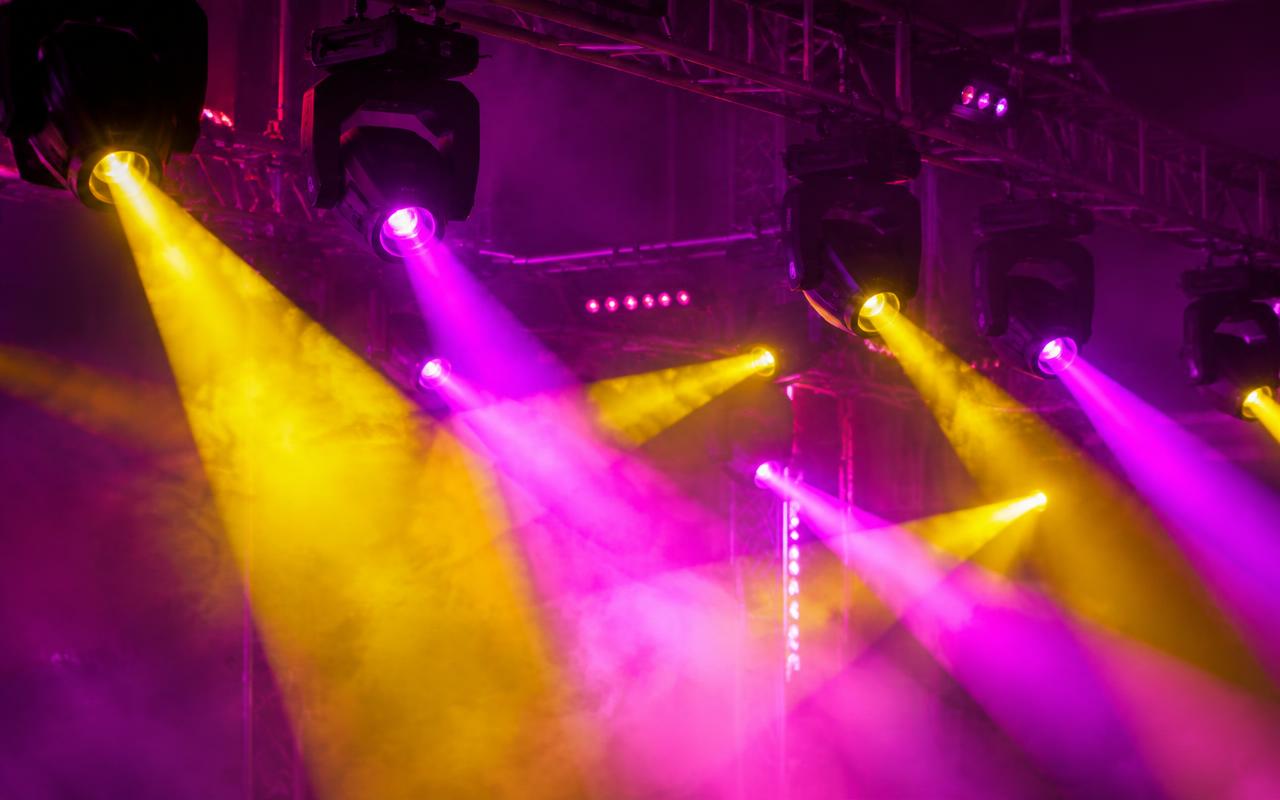
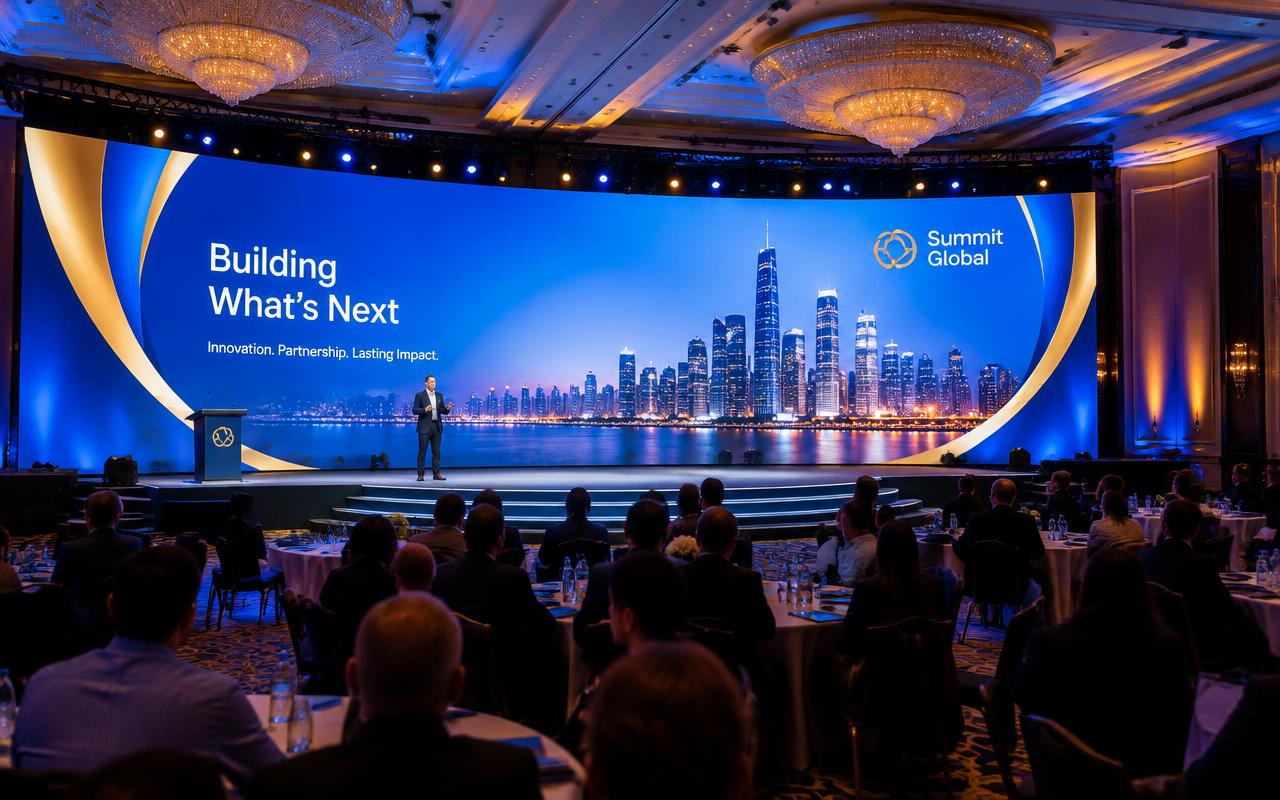
Designed lighting plot with moving fixtures and programmed segments, LED backdrop with content, ramp decking and skirting, timecoded playback and a lighting operator on cue.
Multiple shows per day on a shared rig, custom ramp geometry, large LED, haze and effects, a camera position for the house film and a resident crew across the schedule.
Custom set fabrication, projection or kinetic elements, a full broadcast or streaming package, dedicated lighting design with previsualisation and a multi-day build.
Services
Recommended production stack
Timeline
Planning milestones
- 5 weeks out
Ramp geometry and seating plan
Ramp length, width, height, pit position and seat rows fixed, because they determine the lighting angles and the audio layout.
- 3 weeks out
Lighting design
Plot drawn with colour temperature, colour rendering and angles specified, previsualised where the set is complex, and rigging requirements issued.
- 2 weeks out
Content and music brief
Backdrop canvas map issued to the content team, music direction agreed with the designer and a draft edit received for cue building.
- 3 days out
Final edit and line-up
Timecoded music edit delivered, line-up by look and segment received so the cue structure can be built to survive reordering.
- T−1 day to T−2 hrs
Build, focus and rehearsal
Ramp and rig complete, focus with a stand-in, camera tests reviewed, then a full walk-through at real pace with garments.
- Same night
Strike
Rapid derig after press, with ramp decking and lighting down to the venue's handover time.
Risk control
What goes wrong, and how we stop it
What can go wrong
How we prevent it
- What can go wrong
Front light is too cool or has poor colour rendering and the garments photograph wrong.
How we prevent itSpecify high colour-rendering fixtures at a single agreed colour temperature, test against actual fabric swatches during focus, and review photographer test shots on camera rather than judging by eye.
- What can go wrong
The music edit changes an hour before doors.
How we prevent itBuild the show as timecoded segments rather than one monolithic cue stack, keep the music operator and the lighting operator on a shared cue sheet, and run the new edit once before doors even if that delays doors by ten minutes.
- What can go wrong
The designer reorders the line-up backstage mid-show.
How we prevent itCue lighting to segments and looks rather than to model numbers, keep a backstage comms line to the dresser area, and have the show-caller confirm each change back verbally before it happens.
- What can go wrong
The ramp flexes or a heel catches on the surface.
How we prevent itSpecify stiffened decking with a tested span, screw and level every joint, choose a matte non-slip surface that does not bounce front light, and walk the finished ramp in heels during focus.
- What can go wrong
Photographers' flash fights the lighting design or blinds the models.
How we prevent itSet a front-light level high enough that the pit can shoot without flash, brief the pit at the door, and keep the final finale state at a consistent level so exposure does not change between looks.
- What can go wrong
Haze looks beautiful in the room and ruins the photographs.
How we prevent itSet haze density with a camera in the pit rather than from the lighting position, keep it behind the models rather than between them and the pit, and agree the level with the designer and the photographer together.
Process
How we deliver
01
Brief & recce
We visit the venue, map power and rigging, and understand your show flow.
02
Design & quote
CAD plans, 3D previews and an itemised quote within 24 hours.
03
Build & rehearse
Load-in, system tuning, content checks and full technical rehearsal.
04
Show & strike
Show-caller-led execution, then a quick, clean load-out.
Cities
Fashion Shows AV across India
Tier 1 metros
Tier 2 cities
Covering 89 cities with our own inventory and touring crew.
FAQ