Event production · Mumbai, Maharashtra
Fashion Shows AV in Mumbai
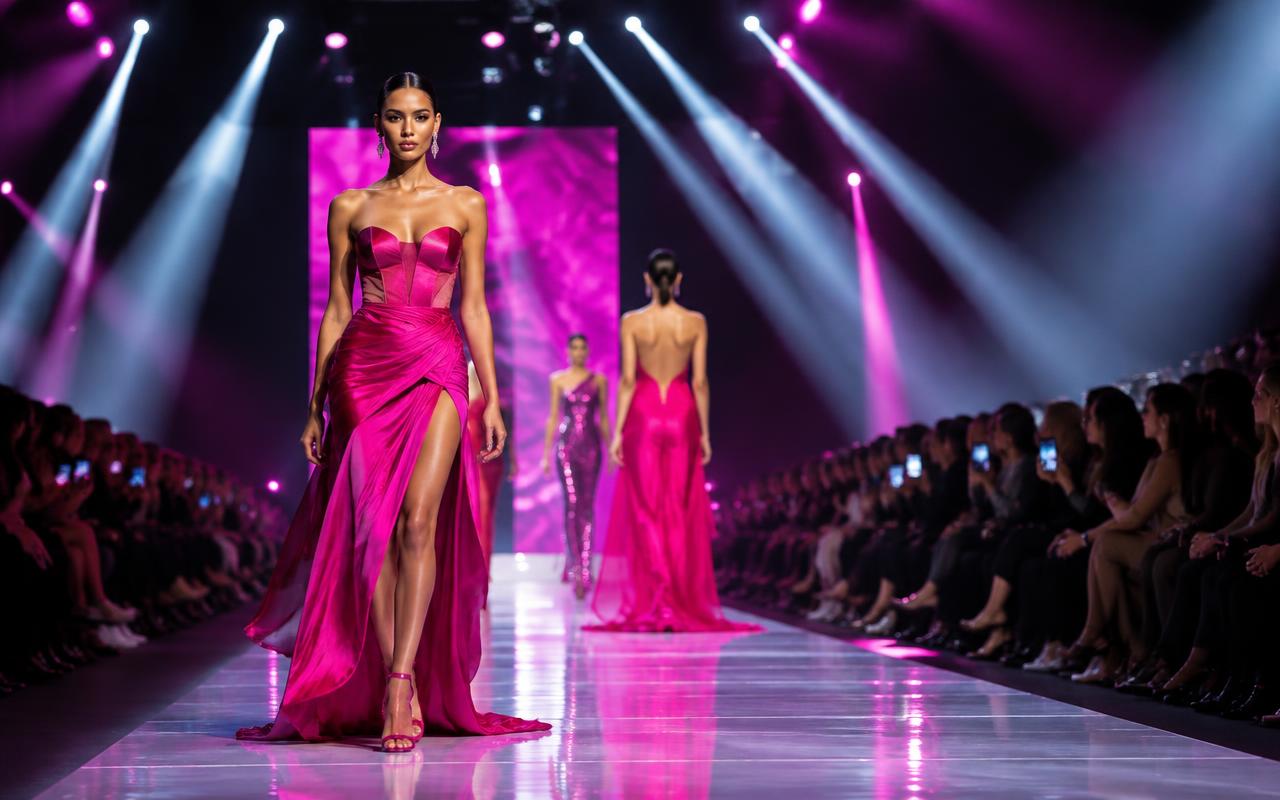
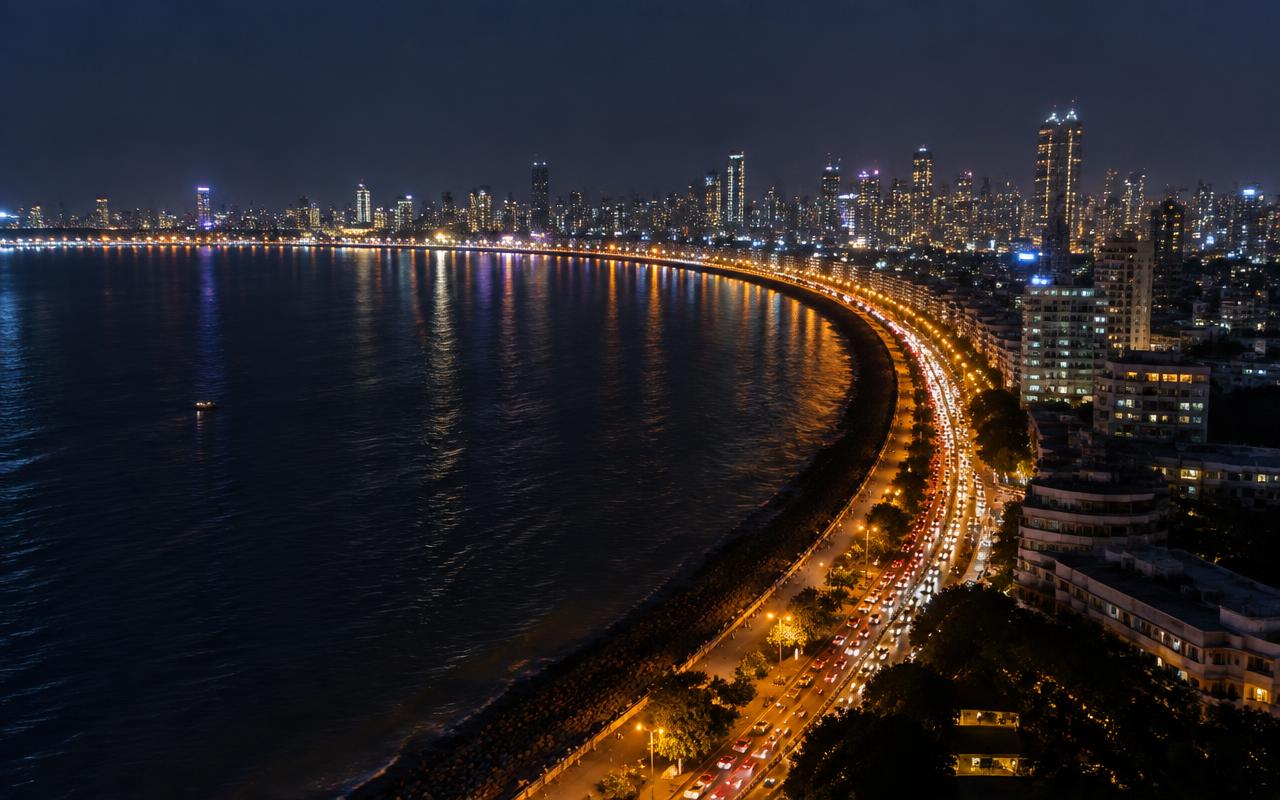
Mumbai's AV spend is driven by BFSI and asset-management calendars out of BKC and Lower Parel, the film and OTT business in Andheri-Goregaon, and the advertising and pharma head offices that sit between them. The result is a market that buys quarterly results events, film and music launches, and award nights in the same week, with the wedding circuit at Juhu and BKC layered on top from November. Prime AV Solutions produces the fashion shows end of that calendar — ramp lighting design, LED backdrops, punchy runway sound — with one crew owning the whole stack.
- Lead time
- 5 weeks out
- Peak season
- Oct–Mar
- Coverage
- Mumbai & Maharashtra
Key takeaway
Complete AV for fashion shows in Mumbai
Runway lighting is a colour-rendering problem disguised as a design one. Garments are bought and photographed under your light, so the front wash needs a high colour-rendering index, a consistent colour temperature along the entire ramp and enough level for a photographer at the end of the runway to shoot at a sensible shutter. Shadowing across the face is the thing to avoid: light from front and slightly above at a repeatable angle, add back light to separate the model from the backdrop, and resist the temptation to put colour anywhere that touches skin or fabric.
Ramp length, ceiling height and where the photographers' pit can physically sit are decided by the room long before the lighting plot is drawn. In Mumbai we work at Jio World Convention Centre, NSCI Dome, Taj Lands End and venues across Bandra Kurla Complex, Andheri, Juhu, Powai, Worli.
The show is twelve minutes long and takes six hours to rehearse. That time goes into the line-up order, the music edit and the timing of each exit, because once the first model walks there is no stopping. Lock the music as a timecoded edit, cue the lighting states to it, and rehearse with the actual walk speed rather than an assumed one. Expect the designer to reorder the sequence backstage an hour before doors, so the cue structure should be built around looks and segments rather than around individual model numbers.
What your event needs
- Ramp lighting design
- LED backdrops
- Punchy runway sound
- Media camera positions
Why Mumbai organisers choose Prime AV
- Crews and trucks positioned for fast load-in at Taj Lands End and venues in Juhu and Powai.
- Cue lighting to segments and looks rather than to model numbers, keep a backstage comms line to the dresser area, and have the show-caller confirm each change back verbally before it happens.
- A standing Mumbai client base across corporate conferences and bfsi results or investor events and product and brand launches for consumer and pharma clients, so the rig is specified from experience rather than a catalogue.
- Working knowledge of Maharashtra venue rules, power sanctions and permission timelines.
What you will be judged on afterwards
- Garment colour in the published photographs matched what the designer saw in the studio.
- Every model's face was evenly lit along the whole ramp, with no dark patch and no hot spot.
- The show ran as one unbroken twelve-minute piece with no visible cue hesitation.
- The front row could see the runway past the photographers' pit without leaning.
- The designer could reorder the line-up an hour before doors without the show having to be rebuilt.
Local conditions
Producing fashion shows in Mumbai
Weather & the rig
A ramp show is built indoors for controlled light, but humidity and heat reach the models, the garments and a room carrying a dense lighting rig. The salt aerosol off the Arabian Sea is the quiet killer here: XLR and SpeakOn pins green over within a season, truss pins and shackles pit, and anything left on a Worli or Juhu rooftop needs rinsing and drying before it goes back in the case. Relative humidity sits in the eighties from June to September, so desiccant in flight cases and warm-up time for consoles carried from an air-conditioned truck into a humid hall are planning items, not housekeeping. Jun–Sep monsoon, when the city takes well over 2,000mm and a single cell can drop 100mm in a morning; any outdoor rig in that window needs hard cover, bunded distro and a signed strike authority.
Power & redundancy
A runway rig is lighting-heavy and sensitive to flicker on camera, so stable, clean supply matters far more than headroom. Supply from Adani Electricity, Tata Power and BEST is among the most reliable urban grids in India, so indoor venues genuinely run on house power with a DG only on the show-critical path. Five-star ballrooms typically have a few hundred kVA of usable sanctioned load, which a concert-spec rig will still exceed. Open-ground work at BKC is fully generated, and Maharashtra's noise rules make acoustically enclosed sets the only option inside city limits.
Permits & noise rules
Fashion shows usually sit inside a hotel or studio venue, so rigging, fire-load and late-night approvals come through the venue layered over local rules. Ground and temporary-structure permission comes from the relevant BMC ward office with a fire NOC, while amplified sound and public-performance licensing sits with the Mumbai Police Licensing Department under the Bombay Police Act. The Supreme Court's 10pm cut-off on outdoor loudspeakers is applied, the Maharashtra Noise Pollution Rules define silence zones around the city's many hospitals, and the state's festival relaxation nights are notified rather than assumed. Drone work is effectively closed over most of the western suburbs because CSMIA at Sahar and the Juhu aerodrome together blanket Andheri, Vile Parle, Juhu and BKC in restricted airspace on the DGCA map.
Load-in & access
Ramp decking, truss and a full lighting rig arrive the day before and strike the same night, which makes dock access and lift size the whole plan. Multi-axle goods vehicles are kept off the main arterials through the working day, which pushes almost every load-in into an 11pm to 6am window and makes crew shift planning the real schedule risk. BKC venues have working docks; South Mumbai and the older hotels offer a kerbside drop and a service lift. Trailers coming down the Western Express Highway should clear Dahisar before the morning restriction, and the Sea Link and Coastal Road have their own vehicle-class limits that a 32-ft truck cannot use.
Season & booking
Ganesh Chaturthi's ten days in August or September take the city's trucks, bamboo, trussing and labour simultaneously and close processional routes for immersion. Navratri and Diwali follow, the Mumbai Marathon shuts the south in January, IPL fixtures at Wankhede lock the surrounding roads, and December runs a collision of corporate year-end events and wedding muhurats. Peak demand runs Oct–Mar.
Crew & dispatch
Own Mumbai base with warehousing in the Andheri-Goregaon industrial belt, which puts crew, spares and a replacement amplifier inside an hour of most venues in the city.
What it costs here
The most expensive crew and cartage market in India — organised stage labour rates, warehouse rent and night-shift loading all sit in the number — so the same specification costs meaningfully more to deliver here than in a tier-2 city. The offset is that nothing travels, so there is no transit, accommodation or spares-contingency line at all.
Local expectations
Agency and client-side teams here work to a tech script and expect a cue-to-cue rehearsal, which means the production schedule has to protect rehearsal time rather than treat it as float. Film and award work runs the other way entirely, with cues called from the floor and running orders changing during the show, so the console operator needs authority to improvise. Bilingual Hindi and Marathi compering is standard for public-facing events, and the wedding circuit here expects concert-grade sangeet sound in a ballroom.
Run of show
A typical fashion shows schedule
| Time | Moment | What AV is doing |
|---|---|---|
| T−1 day | Ramp and rig build | Ramp decked, levelled and surfaced; truss and lighting rig up; backdrop or LED built and content mapped. |
| T−8 hrs | Lighting focus | Front wash focused for even colour along the full ramp length, colour temperature matched fixture to fixture, back light and pit angle set with a stand-in. |
| T−5 hrs | Music and cue build | Final edit loaded as a timecoded track, lighting states cued to it, segment markers set so the designer can reorder without rebuilding the show. |
| T−2 hrs | Model walk-through | Full run with real walk speed and real garments, backstage comms and ramp monitor tested, photographer test shots reviewed on camera. |
| 18:30 | Doors | Pre-show lighting state, ambient bed along the ramp, backdrop on a holding loop, pit confirmed clear and taped. |
| 19:00 | Show starts | House to show state in one cue, music from timecode, lighting segments follow the line-up, no live improvisation once the first model walks. |
| 19:12 | Finale | Full ramp level for the group walk, backdrop to the designer's finale content, cameras locked wide for the full line. |
| 19:20 | Designer bow and press | House light up to a photography-usable level, audio to interview mode, backdrop to the brand frame for press shots. |
The build itself is unforgiving in two directions. The ramp must be stiff, level and quiet under heels, with a surface that does not reflect the front light into the cameras and a height that still gives the seated front row a sightline past the photographers' pit. Audio needs even coverage along the full length rather than two loud boxes at the top, because guests sit within arm's reach of the runway. Backstage needs a music and comms feed, a monitor showing the ramp, and a dresser area lit well enough to check a garment before it walks.
Scope
Fashion Shows scope levels in Mumbai
A hotel or studio ramp up to 20 metres: high-CRI front wash, back light, a clean distributed audio line along the ramp, playback and a fabric or printed backdrop.
Designed lighting plot with moving fixtures and programmed segments, LED backdrop with content, ramp decking and skirting, timecoded playback and a lighting operator on cue.
Multiple shows per day on a shared rig, custom ramp geometry, large LED, haze and effects, a camera position for the house film and a resident crew across the schedule.
Custom set fabrication, projection or kinetic elements, a full broadcast or streaming package, dedicated lighting design with previsualisation and a multi-day build.
The most expensive crew and cartage market in India — organised stage labour rates, warehouse rent and night-shift loading all sit in the number — so the same specification costs meaningfully more to deliver here than in a tier-2 city. The offset is that nothing travels, so there is no transit, accommodation or spares-contingency line at all.
Venues
Where fashion shows happen in Mumbai
| Venue | Capacity | Production note |
|---|---|---|
| Jio World Convention Centre | Up to 16,000 across the Convention Halls, with a 2,000-seat Grand Theatre | The only venue in the city with a proper engineered rigging grid, generous clear height and a real truck dock, so it is the default when a design needs genuine point loads overhead rather than ground support. |
| NSCI Dome | Around 8,000 in concert configuration at Worli | The dome roof is not a rigging structure in any useful sense, so audio and lighting go on ground-support towers; sightline loss from those towers has to be designed in at ticketing stage, not discovered at focus. |
| Taj Lands End | Around 1,000 banquet across the ballroom and pre-function areas | Ballroom ceiling clearance is modest and nothing hangs from the slab, so LED walls sit on ground support and the rig height has to clear seated sightlines without fouling the chandeliers. |
| MMRDA Grounds, BKC | Tens of thousands on open ground across multiple plots | Entirely temporary infrastructure on hard standing: all power is generated, the sea breeze off Mahim creek sets the wind rating for any LED above six metres, and the residential towers across the road make the sound curfew enforceable by complaint. |
| Grand Hyatt Mumbai Residency Ballroom | Around 1,500 banquet in the main ballroom | Load-in is through a basement service route with a height restriction, so trussing and LED cabinets must be sized to the lift rather than to the design. |
Demand
What Mumbai books most
Mumbai event mix
- Corporate conferences and BFSI results or investor events
- Product and brand launches for consumer and pharma clients
- Award shows, film promotions and music launches
- Large weddings and sangeets at BKC, Juhu and Worli
- Trade exhibitions and dealer conventions
- Live concerts and ticketed arena shows
Services
Recommended production stack
Stage Lighting Design
Lighting designers who build looks, cue every moment and run grandMA3 consoles — from elegant gala washes to high-energy concert shows.
LED Wall Rental
Indoor P2.6/P3.9 and outdoor P4.8 LED walls in any size or shape — curved, cubes, floor LED and kinetic panels — powered by Novastar processing.
Concert Sound Systems
Concert-grade PA built around L-Acoustics, d&b and JBL VTX class line arrays, tuned by system engineers for even coverage from front row to last.
Broadcast & Multi-Camera
Broadcast-grade cameras, jibs, PTZs and OB-style control for IMAG, TV feeds and post-event films that capture every moment.
Timeline
Planning milestones
- 5 weeks out
Ramp geometry and seating plan
Ramp length, width, height, pit position and seat rows fixed, because they determine the lighting angles and the audio layout.
- 3 weeks out
Lighting design
Plot drawn with colour temperature, colour rendering and angles specified, previsualised where the set is complex, and rigging requirements issued.
- 2 weeks out
Content and music brief
Backdrop canvas map issued to the content team, music direction agreed with the designer and a draft edit received for cue building.
- 3 days out
Final edit and line-up
Timecoded music edit delivered, line-up by look and segment received so the cue structure can be built to survive reordering.
- T−1 day to T−2 hrs
Build, focus and rehearsal
Ramp and rig complete, focus with a stand-in, camera tests reviewed, then a full walk-through at real pace with garments.
- Same night
Strike
Rapid derig after press, with ramp decking and lighting down to the venue's handover time.
Risk control
What goes wrong, and how we stop it
What can go wrong
How we prevent it
- What can go wrong
The designer reorders the line-up backstage mid-show.
How we prevent itCue lighting to segments and looks rather than to model numbers, keep a backstage comms line to the dresser area, and have the show-caller confirm each change back verbally before it happens.
- What can go wrong
The ramp flexes or a heel catches on the surface.
How we prevent itSpecify stiffened decking with a tested span, screw and level every joint, choose a matte non-slip surface that does not bounce front light, and walk the finished ramp in heels during focus.
- What can go wrong
Photographers' flash fights the lighting design or blinds the models.
How we prevent itSet a front-light level high enough that the pit can shoot without flash, brief the pit at the door, and keep the final finale state at a consistent level so exposure does not change between looks.
- What can go wrong
Haze looks beautiful in the room and ruins the photographs.
How we prevent itSet haze density with a camera in the pit rather than from the lighting position, keep it behind the models rather than between them and the pit, and agree the level with the designer and the photographer together.
Process
From brief to standing ovation
01
Brief & recce
We visit the venue, map power and rigging, and understand your show flow.
02
Design & quote
CAD plans, 3D previews and an itemised quote within 24 hours.
03
Build & rehearse
Load-in, system tuning, content checks and full technical rehearsal.
04
Show & strike
Show-caller-led execution, then a quick, clean load-out.
FAQ
Fashion Shows AV in Mumbai: FAQs
Other events in Mumbai
Fashion Shows AV in nearby cities
Services in Mumbai
Areas we cover in Mumbai