Event production · Jaipur, Rajasthan
Fashion Shows AV in Jaipur
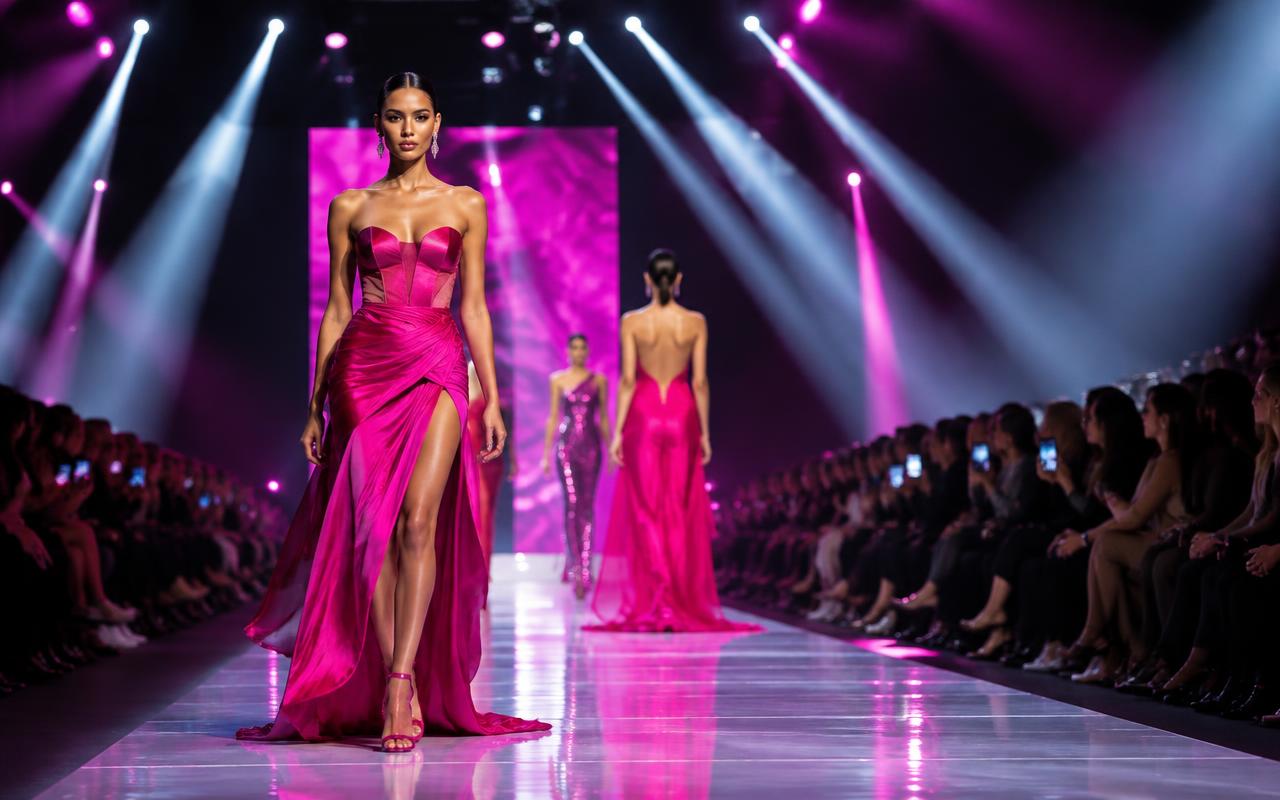
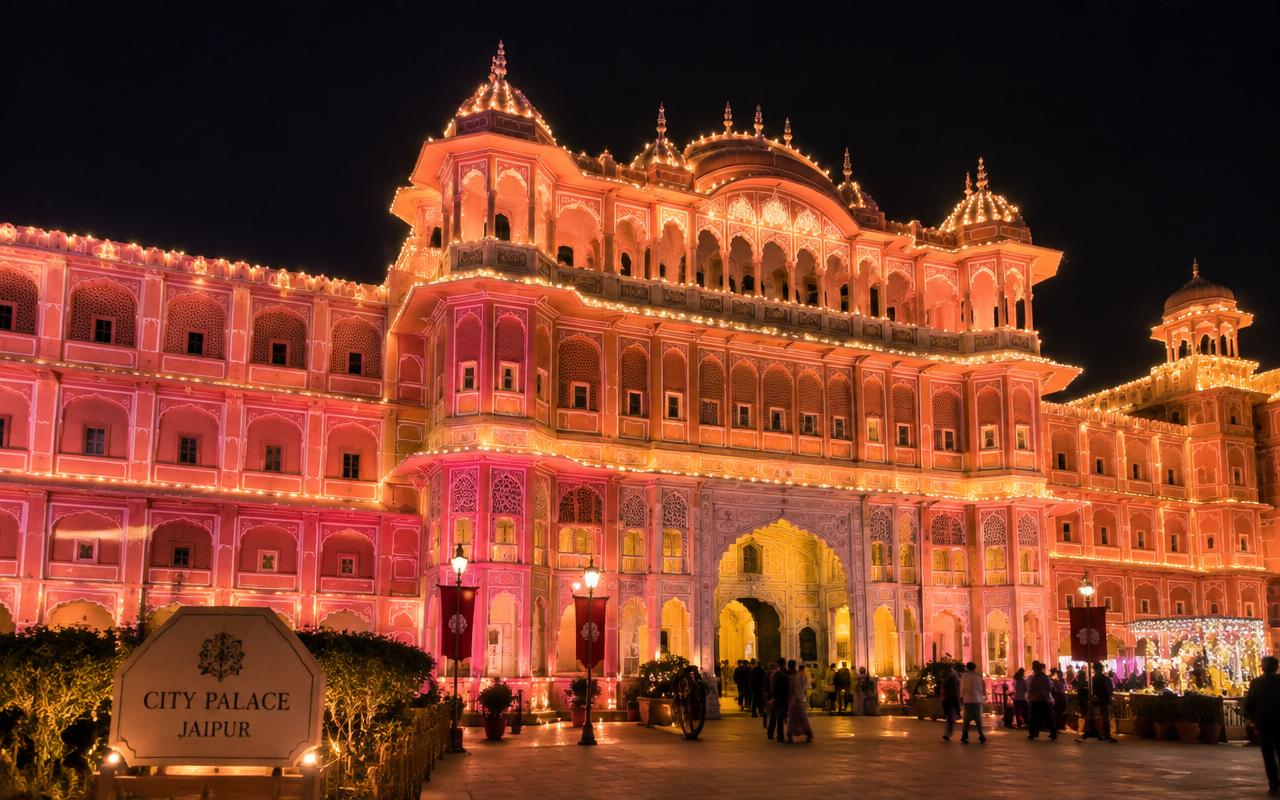
Jaipur is India's destination-wedding capital and the production economy reflects it: palace and heritage hotels, nine to twelve month lead times, and clients flying in from Delhi, Mumbai and overseas. Gem and jewellery exports, the MICE circuit on the Golden Triangle and a significant festival calendar fill the gaps. Prime AV Solutions produces the fashion shows end of that calendar — ramp lighting design, LED backdrops, punchy runway sound — with one crew owning the whole stack.
- Lead time
- 5 weeks out
- Peak season
- Oct–Mar
- Coverage
- Jaipur & Rajasthan
Key takeaway
Complete AV for fashion shows in Jaipur
Runway lighting is a colour-rendering problem disguised as a design one. Garments are bought and photographed under your light, so the front wash needs a high colour-rendering index, a consistent colour temperature along the entire ramp and enough level for a photographer at the end of the runway to shoot at a sensible shutter. Shadowing across the face is the thing to avoid: light from front and slightly above at a repeatable angle, add back light to separate the model from the backdrop, and resist the temptation to put colour anywhere that touches skin or fabric.
Ramp length, ceiling height and where the photographers' pit can physically sit are decided by the room long before the lighting plot is drawn. In Jaipur we work at JECC Sitapura, Rambagh Palace, Jai Mahal Palace and venues across Malviya Nagar, C-Scheme, Vaishali Nagar, Amer, Ajmer Road.
The show is twelve minutes long and takes six hours to rehearse. That time goes into the line-up order, the music edit and the timing of each exit, because once the first model walks there is no stopping. Lock the music as a timecoded edit, cue the lighting states to it, and rehearse with the actual walk speed rather than an assumed one. Expect the designer to reorder the sequence backstage an hour before doors, so the cue structure should be built around looks and segments rather than around individual model numbers.
What your event needs
- Ramp lighting design
- LED backdrops
- Punchy runway sound
- Media camera positions
Why Jaipur organisers choose Prime AV
- Crews and trucks positioned for fast load-in at Jai Mahal Palace and venues in Vaishali Nagar and Amer.
- Cue lighting to segments and looks rather than to model numbers, keep a backstage comms line to the dresser area, and have the show-caller confirm each change back verbally before it happens.
- A standing Jaipur client base across destination weddings at palace and heritage properties and mice conferences, incentive groups and corporate offsites, so the rig is specified from experience rather than a catalogue.
- Working knowledge of Rajasthan venue rules, power sanctions and permission timelines.
What you will be judged on afterwards
- Garment colour in the published photographs matched what the designer saw in the studio.
- Every model's face was evenly lit along the whole ramp, with no dark patch and no hot spot.
- The show ran as one unbroken twelve-minute piece with no visible cue hesitation.
- The front row could see the runway past the photographers' pit without leaning.
- The designer could reorder the line-up an hour before doors without the show having to be rebuilt.
Local conditions
Producing fashion shows in Jaipur
Weather & the rig
A ramp show is built indoors for controlled light, but humidity and heat reach the models, the garments and a room carrying a dense lighting rig. Low humidity is Jaipur's gift — November to February gives crisp, dry 6–8°C nights that are the single reason the wedding season here outperforms everywhere else — and the dust storms are the price. From April to June the andhi off the Aravallis arrives with very little warning at 50–70 km/h, and an unballasted outdoor LED frame or a lightweight backdrop will go over. Daytime highs reach 44°C with the dry heat loading filters and drying out gaffer adhesion on taped runs. Apr–Jun for any outdoor daytime work, with the dust-storm window making even evening builds a wind-engineering question; Jul–Aug monsoon is short but drops sudden cells onto lawn builds.
Power & redundancy
A runway rig is lighting-heavy and sensitive to flicker on camera, so stable, clean supply matters far more than headroom. JVVNL supply in the city is reasonable, but heritage properties run shows almost entirely on hired DG so that nothing loads the hotel's own feed and the guest experience is unaffected. Silent sets are effectively mandatory at palace venues, and their placement — behind masonry, inside a service yard, screened by landscaping — is part of the design from the first site visit rather than a logistics afterthought. RSPCB acoustic norms apply.
Permits & noise rules
Fashion shows usually sit inside a hotel or studio venue, so rigging, fire-load and late-night approvals come through the venue layered over local rules. Ground and temporary-structure permission comes through the Jaipur Nagar Nigam, split between the Heritage and Greater bodies depending on location, with the Jaipur Police Commissionerate licensing events and loudspeakers and RSPCB applying the noise standards and the 10pm cut. The layer that catches outsiders is heritage: anything at Amer, Nahargarh, Jantar Mantar or Hawa Mahal is governed by the Rajasthan Department of Archaeology and Museums or by ASI, with hard limits on fixings, flame, heat near historic surfaces and total load. Drone work is constrained both by the Sanganer airport zone and by those heritage-site rules independently.
Load-in & access
Ramp decking, truss and a full lighting rig arrive the day before and strike the same night, which makes dock access and lift size the whole plan. JECC is straightforward off Tonk Road and the Ring Road. Palace properties insist on a service gate approach, usually over gravel, which means ground-protection boards and a slow, supervised crawl with a spotter. The walled Pink City bazaars — Johari, Bapu, Tripolia — permit only small vehicles and only outside trading hours. Delhi is five to six hours on NH-48, which is why NCR inventory routinely augments a Jaipur build mid-schedule.
Season & booking
The November to March destination-wedding season books palace properties nine to twelve months ahead and the AV goes with them. The Jaipur Literature Festival in late January runs multi-stage at Clarks Amer and absorbs audio, interpretation and streaming crews for a week. Pushkar Fair in November pulls Rajasthan crews and camel-fair infrastructure towards Ajmer district, and Teej and Gangaur bring processions that close central routes. Peak demand runs Oct–Mar.
Crew & dispatch
Dispatched from the Delhi NCR base, five to six hours by road, with Jaipur rigging labour, riggers familiar with heritage conditions and generators sourced in the city.
What it costs here
Destination-wedding budgets here are among the highest in India and are quoted with build and strike days charged separately, because palace venues grant short build windows and insist on an overnight strike that finishes before guests wake. JECC exhibition and MICE work prices close to Delhi rates.
Local expectations
Heritage discipline is the actual skill being sold: cable paths that do not appear in a photograph, fixtures concealed in planting or behind jali, and uplighting that models carved sandstone rather than flattening it. Rajasthani folk ensembles — langa, manganiyar, kalbeliya — need acoustic-instrument mic plots and a quiet stage. Guests sit outdoors late into cold nights, so heating, cable trip hazards on lawn and the condensation on a console at 1am are all part of the same plan.
Run of show
A typical fashion shows schedule
| Time | Moment | What AV is doing |
|---|---|---|
| T−1 day | Ramp and rig build | Ramp decked, levelled and surfaced; truss and lighting rig up; backdrop or LED built and content mapped. |
| T−8 hrs | Lighting focus | Front wash focused for even colour along the full ramp length, colour temperature matched fixture to fixture, back light and pit angle set with a stand-in. |
| T−5 hrs | Music and cue build | Final edit loaded as a timecoded track, lighting states cued to it, segment markers set so the designer can reorder without rebuilding the show. |
| T−2 hrs | Model walk-through | Full run with real walk speed and real garments, backstage comms and ramp monitor tested, photographer test shots reviewed on camera. |
| 18:30 | Doors | Pre-show lighting state, ambient bed along the ramp, backdrop on a holding loop, pit confirmed clear and taped. |
| 19:00 | Show starts | House to show state in one cue, music from timecode, lighting segments follow the line-up, no live improvisation once the first model walks. |
| 19:12 | Finale | Full ramp level for the group walk, backdrop to the designer's finale content, cameras locked wide for the full line. |
| 19:20 | Designer bow and press | House light up to a photography-usable level, audio to interview mode, backdrop to the brand frame for press shots. |
The build itself is unforgiving in two directions. The ramp must be stiff, level and quiet under heels, with a surface that does not reflect the front light into the cameras and a height that still gives the seated front row a sightline past the photographers' pit. Audio needs even coverage along the full length rather than two loud boxes at the top, because guests sit within arm's reach of the runway. Backstage needs a music and comms feed, a monitor showing the ramp, and a dresser area lit well enough to check a garment before it walks.
Scope
Fashion Shows scope levels in Jaipur
A hotel or studio ramp up to 20 metres: high-CRI front wash, back light, a clean distributed audio line along the ramp, playback and a fabric or printed backdrop.
Designed lighting plot with moving fixtures and programmed segments, LED backdrop with content, ramp decking and skirting, timecoded playback and a lighting operator on cue.
Multiple shows per day on a shared rig, custom ramp geometry, large LED, haze and effects, a camera position for the house film and a resident crew across the schedule.
Custom set fabrication, projection or kinetic elements, a full broadcast or streaming package, dedicated lighting design with previsualisation and a multi-day build.
Destination-wedding budgets here are among the highest in India and are quoted with build and strike days charged separately, because palace venues grant short build windows and insist on an overnight strike that finishes before guests wake. JECC exhibition and MICE work prices close to Delhi rates.
Venues
Where fashion shows happen in Jaipur
| Venue | Capacity | Production note |
|---|---|---|
| JECC Sitapura | Several thousand per hall across Rajasthan's largest exhibition and convention complex | Large column-free halls with proper drive-in access and generous power provision, sitting in the Sitapura industrial belt around 15km south of the city, so it is a build-friendly venue with an unfriendly commute for crew and guests alike. |
| Rambagh Palace | Around 500–800 across lawns and courts | Nothing may be fixed to the structure, so every hang is free-standing and ballasted; generators go out of sightline and out of earshot, and the hotel's guest-amenity rules cap sound levels well before any legal curfew applies. |
| Jai Mahal Palace | Around 1,000-plus on 18 acres of formal gardens | Lawn cabling is trenched or matted and façade uplighting must be gelled and aimed to keep spill off the guest rooms above, which constrains fixture positions far more than the power or the structure does. |
| Fairmont Jaipur | Around 1,500 across ballroom and courtyards | Built as a wedding property with real banqueting capacity and a usable dock, on the Amer road — the practical choice when a client wants palace aesthetics with modern load-in. |
| Hotel Clarks Amer | Around 2,000 across halls and lawns | The multi-venue festival workhorse of the city, where simultaneous stages mean shared power, interleaved sound curfews and a site plan that has to prevent bleed between adjacent venues. |
Demand
What Jaipur books most
Jaipur event mix
- Destination weddings at palace and heritage properties
- MICE conferences, incentive groups and corporate offsites
- Literature, arts and music festivals
- Gem, jewellery and handicraft exhibitions at JECC
- Government and state-level functions
- Fashion and luxury brand activations in heritage settings
Services
Recommended production stack
Stage Lighting Design
Lighting designers who build looks, cue every moment and run grandMA3 consoles — from elegant gala washes to high-energy concert shows.
LED Wall Rental
Indoor P2.6/P3.9 and outdoor P4.8 LED walls in any size or shape — curved, cubes, floor LED and kinetic panels — powered by Novastar processing.
Concert Sound Systems
Concert-grade PA built around L-Acoustics, d&b and JBL VTX class line arrays, tuned by system engineers for even coverage from front row to last.
Broadcast & Multi-Camera
Broadcast-grade cameras, jibs, PTZs and OB-style control for IMAG, TV feeds and post-event films that capture every moment.
Timeline
Planning milestones
- 5 weeks out
Ramp geometry and seating plan
Ramp length, width, height, pit position and seat rows fixed, because they determine the lighting angles and the audio layout.
- 3 weeks out
Lighting design
Plot drawn with colour temperature, colour rendering and angles specified, previsualised where the set is complex, and rigging requirements issued.
- 2 weeks out
Content and music brief
Backdrop canvas map issued to the content team, music direction agreed with the designer and a draft edit received for cue building.
- 3 days out
Final edit and line-up
Timecoded music edit delivered, line-up by look and segment received so the cue structure can be built to survive reordering.
- T−1 day to T−2 hrs
Build, focus and rehearsal
Ramp and rig complete, focus with a stand-in, camera tests reviewed, then a full walk-through at real pace with garments.
- Same night
Strike
Rapid derig after press, with ramp decking and lighting down to the venue's handover time.
Risk control
What goes wrong, and how we stop it
What can go wrong
How we prevent it
- What can go wrong
The designer reorders the line-up backstage mid-show.
How we prevent itCue lighting to segments and looks rather than to model numbers, keep a backstage comms line to the dresser area, and have the show-caller confirm each change back verbally before it happens.
- What can go wrong
The ramp flexes or a heel catches on the surface.
How we prevent itSpecify stiffened decking with a tested span, screw and level every joint, choose a matte non-slip surface that does not bounce front light, and walk the finished ramp in heels during focus.
- What can go wrong
Photographers' flash fights the lighting design or blinds the models.
How we prevent itSet a front-light level high enough that the pit can shoot without flash, brief the pit at the door, and keep the final finale state at a consistent level so exposure does not change between looks.
- What can go wrong
Haze looks beautiful in the room and ruins the photographs.
How we prevent itSet haze density with a camera in the pit rather than from the lighting position, keep it behind the models rather than between them and the pit, and agree the level with the designer and the photographer together.
Process
From brief to standing ovation
01
Brief & recce
We visit the venue, map power and rigging, and understand your show flow.
02
Design & quote
CAD plans, 3D previews and an itemised quote within 24 hours.
03
Build & rehearse
Load-in, system tuning, content checks and full technical rehearsal.
04
Show & strike
Show-caller-led execution, then a quick, clean load-out.
FAQ
Fashion Shows AV in Jaipur: FAQs
Other events in Jaipur
Fashion Shows AV in nearby cities
Services in Jaipur
Areas we cover in Jaipur