Key takeaway
Key takeaways
- Exact models, not categories, on the equipment list
- Spares for anything that would stop the show
- Power sanction plus generator changeover confirmed
- One named show-caller holding the cue sheet
Drone Light Shows: pre-show checklist
Equipment & specification
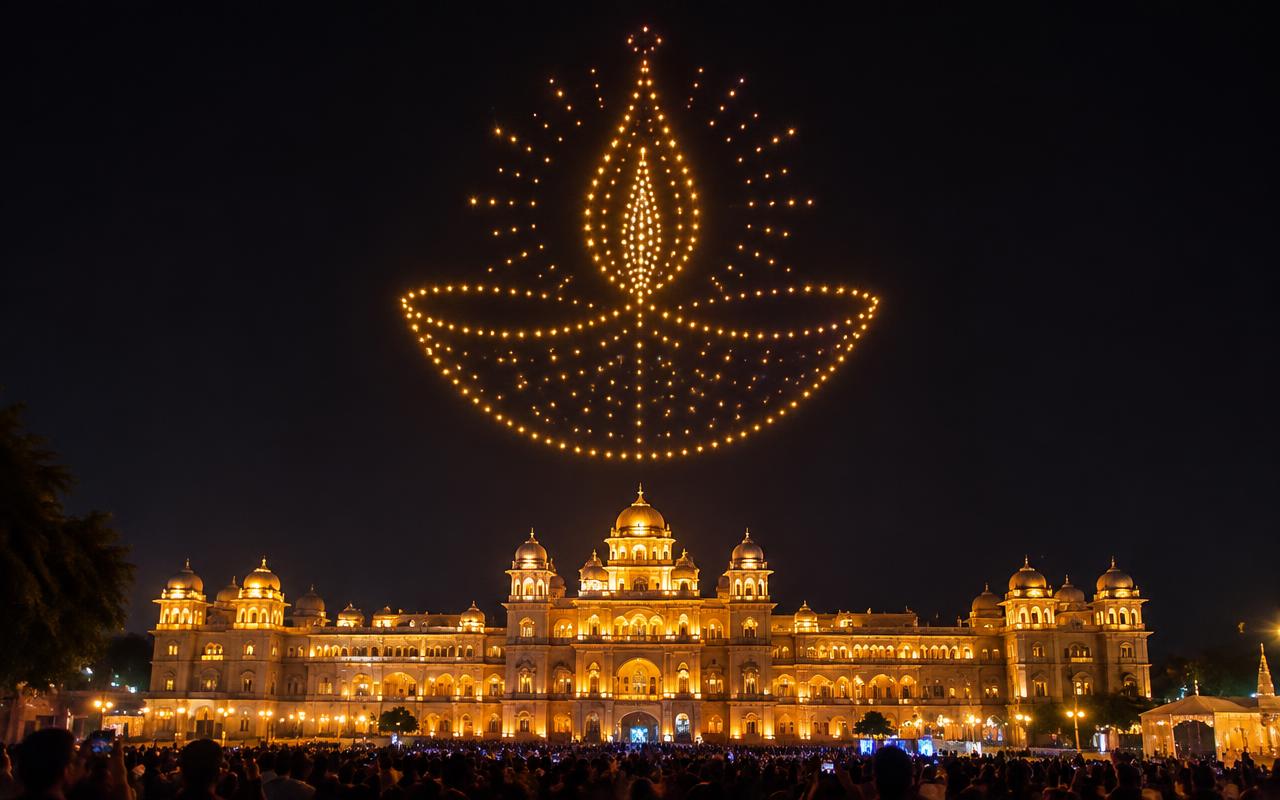
- Fleet size confirmed: 100 – 1,000+ aircraft, scaled to the figure complexity required
- Positioning confirmed: GNSS with on-site RTK base station, approximately centimetre-level accuracy
- Aircraft class confirmed: Sub-1 kg multirotor with a single high-output RGBW LED module
- Flight duration confirmed: 8 – 15 minutes per battery set, extended by staged launches
- Flight volume confirmed: Typically 120 – 180 m above ground inside an approved and geofenced volume
- Itemised list naming exact models, not categories
- Spares for mics, cables, processors and any single point of failure
Power & safety
- Venue sanctioned load confirmed in writing against the rig's draw
- Silent generator sized with automatic changeover
- Earthing check completed and logged
- Rigging certification and load calculations signed off
- Cable covers on every walkway and crowd line
People
- Remote pilot in command named and briefed
- Show designer named and briefed
- Ground control operator named and briefed
- RTK and comms technician named and briefed
- Launch grid crew named and briefed
- Safety marshal named and briefed
Timings
- Load-in slot agreed with the venue in writing
- Sound check and line check scheduled
- Full technical rehearsal booked with real presenters and real content
- Venue curfew and strike window confirmed
Content & handover
- DGCA and Digital Sky permission documents with the approved flight volume
- Approved storyboard with every formation rendered in sequence
- Flight plan and collision-simulation report for the full fleet
- Launch grid survey drawing with aircraft positions and spacing
- All video, audio and slides delivered 72 hours ahead in the agreed format
What this checklist is protecting you from
What can go wrong
How we prevent it
- What can go wrong
The venue turns out to be inside controlled airspace near an aerodrome and the show cannot legally fly.
How we prevent itWe check the Digital Sky airspace map against the exact coordinates before quoting, and where the site is marginal we identify an alternative launch position within sightline of the audience.
- What can go wrong
Wind on the night exceeds the platform limit and the client expects the show to fly anyway.
How we prevent itA numeric go/no-go wind figure is written into the contract, an on-site weather station logs the reading, and a contingency slot on the following night is agreed at booking.
- What can go wrong
GNSS positioning drifts and a 300-drone logo reads as a blur rather than a shape.
How we prevent itAn RTK base station on site corrects satellite error to centimetre-level, and the rehearsal flight verifies formation tightness from the actual audience viewing position.
- What can go wrong
Text in a logo or a name is unreadable because the fleet is too small for the character count.
How we prevent itCharacter legibility is calculated against fleet size and viewing distance at the design stage, and we reduce the character count or raise the drone count rather than flying something illegible.
- What can go wrong
Guests or press drift under the flight volume for a better photograph.
How we prevent itThe audience buffer is physically barricaded, safety marshals are briefed to report incursions directly to the pilot, and the pilot holds the formation until the volume is sterile.
- What can go wrong
A battery set is marginal and aircraft begin landing early, cutting the final formation.
How we prevent itBattery state is monitored per aircraft on the ground station, every set is cycled and capacity-tested before the show, and the choreography is designed with a runtime margin.
Want this tailored to your event?
Get an itemised quote from Prime AV Solutions within 24 hours — call +91 93093 80958 or WhatsApp our producers.
Published 8 June 2026 by the Prime AV Solutions production team.