Key takeaway
Key takeaways
- Higher-resolution LED where cameras push in
- One timecoded cue list across departments
- Hybrid reach designed in, not bolted on
- One spectacle moment, properly funded
What is actually changing
Broadcast integration is where sports events differ most from other live work. The host broadcaster owns the match feed and the timing, and your giant screens, replay and ceremony coverage have to interface with that cleanly: agreed feed points, matched reference and frame rate, a clear understanding of who supplies replays and with what delay, and a scoring and clock integration that does not drift. Fan-park screens elsewhere in the city then take a distributed feed with their own audio, their own power and their own crowd plan.
What each level includes
Match-night overlay at a mid-size stadium: distributed PA supplement, announcer position, one large screen or LED panel set, playback and a show-caller.
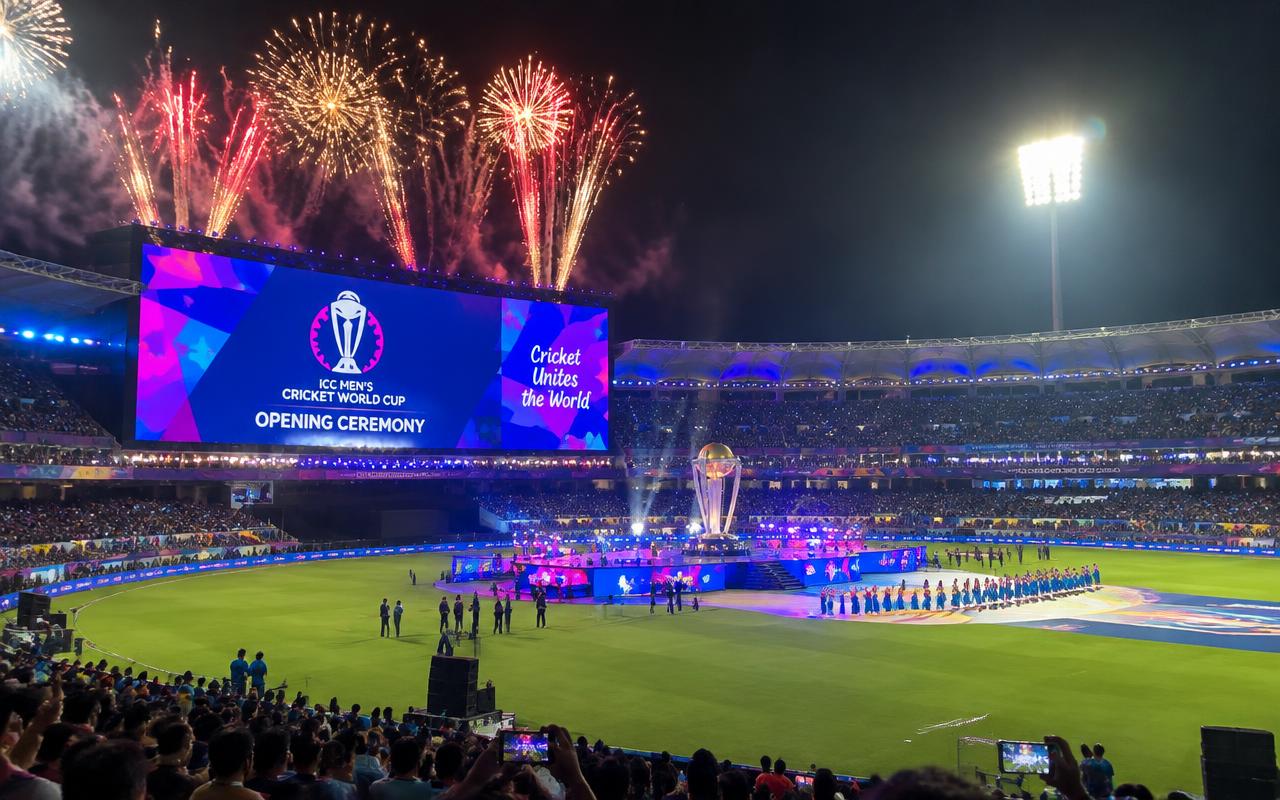
An opening or closing ceremony on the field of play: modular stage on boards, performance-grade PA, programmed lighting rig, LED, pitch-side power and a rehearsal day.
Multi-match delivery with giant screens, full stadium PA supplement, broadcast feed integration, replay to screens and a resident crew across the fixture window.
A large opening ceremony with drone or pyrotechnic finale, multi-zone audio across the bowl, broadcast-grade camera package, full generator redundancy and a multi-day build.
What to ignore
Technology that does not survive contact with a run of show — anything needing a perfect network, an app download or an unrehearsed audience action — rarely earns its budget. Get an itemised quote from Prime AV Solutions within 24 hours — call +91 93093 80958 or WhatsApp our producers.
Published 5 October 2025 by the Prime AV Solutions production team.