Amravati, Maharashtra
Event AV in Shegaon Naka
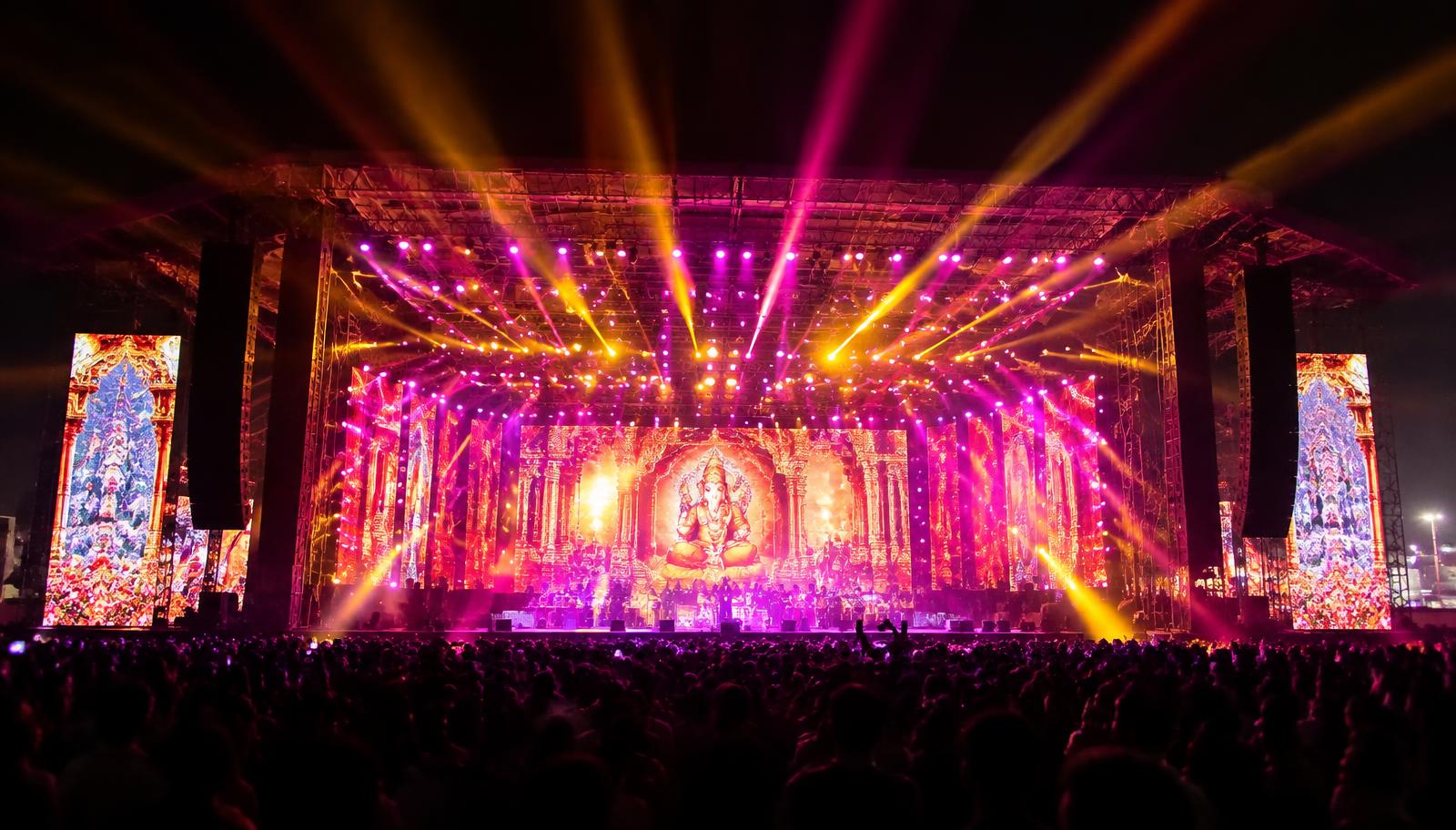
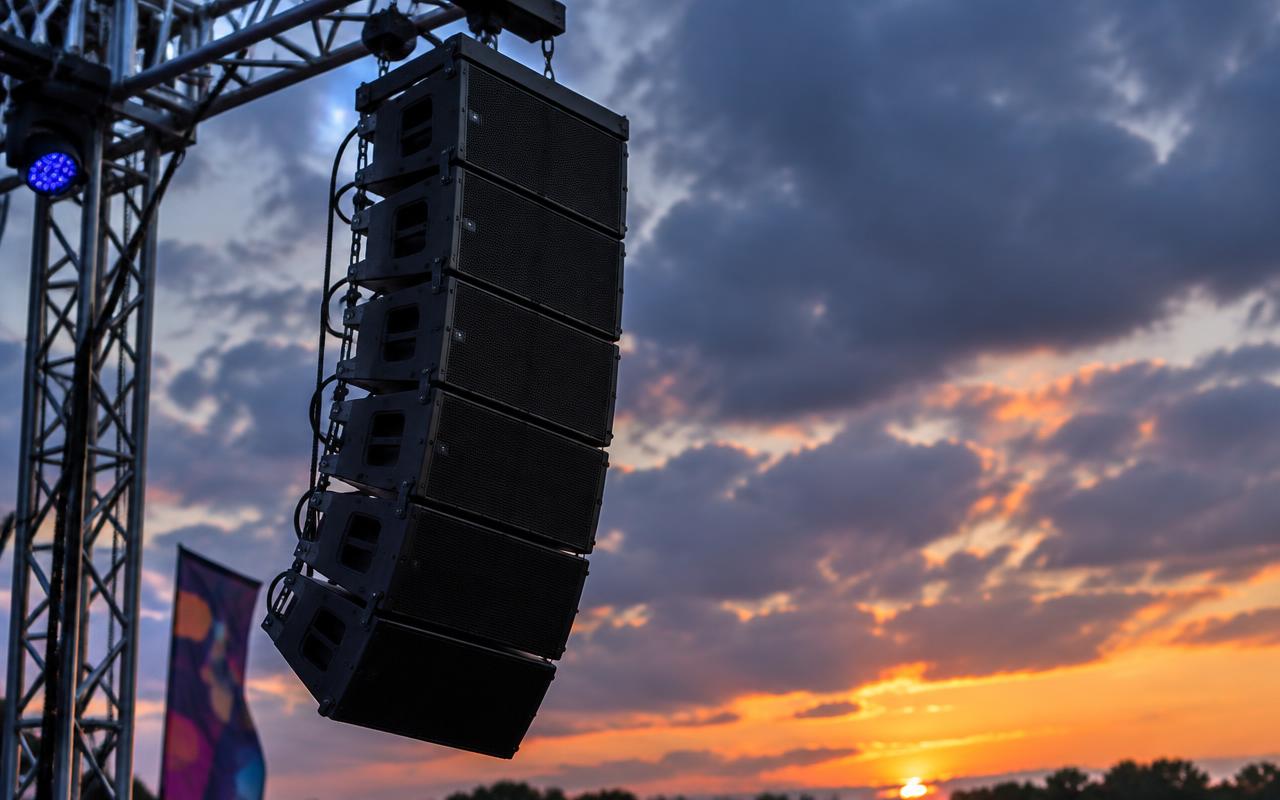
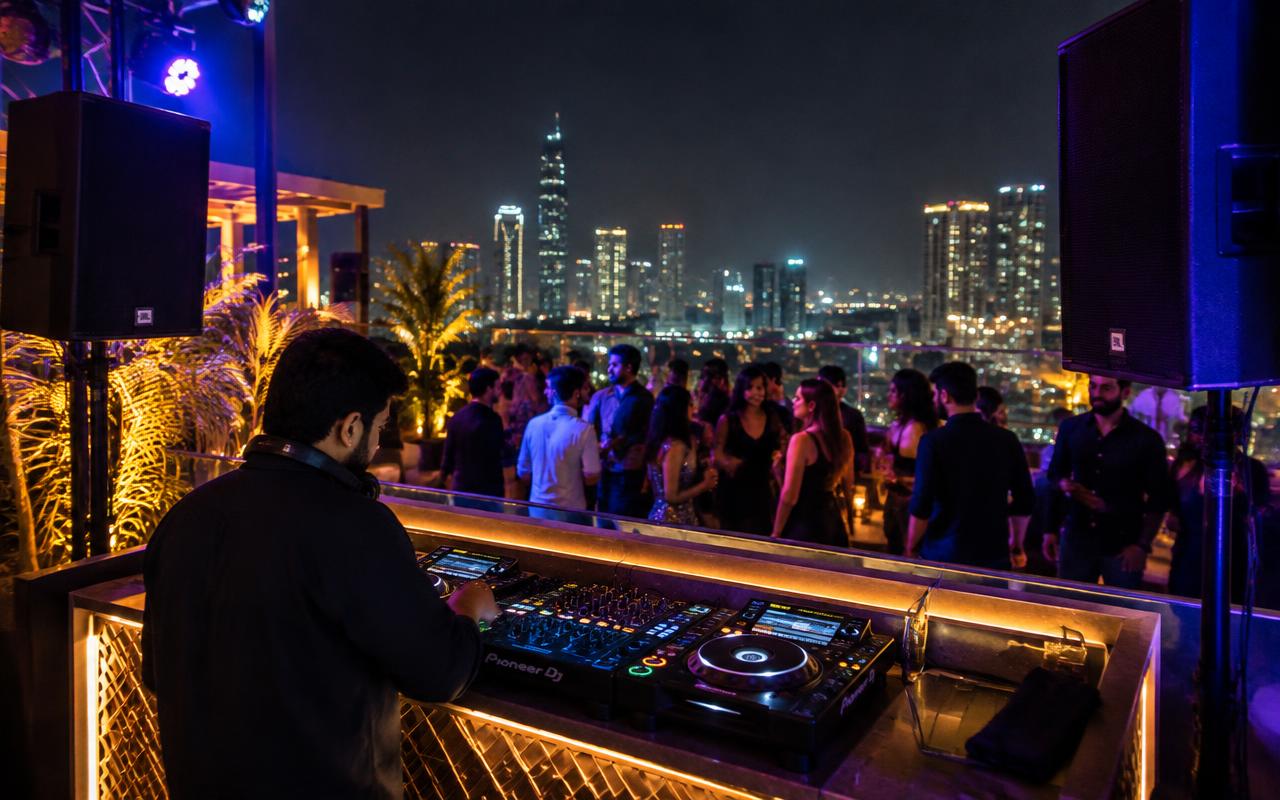
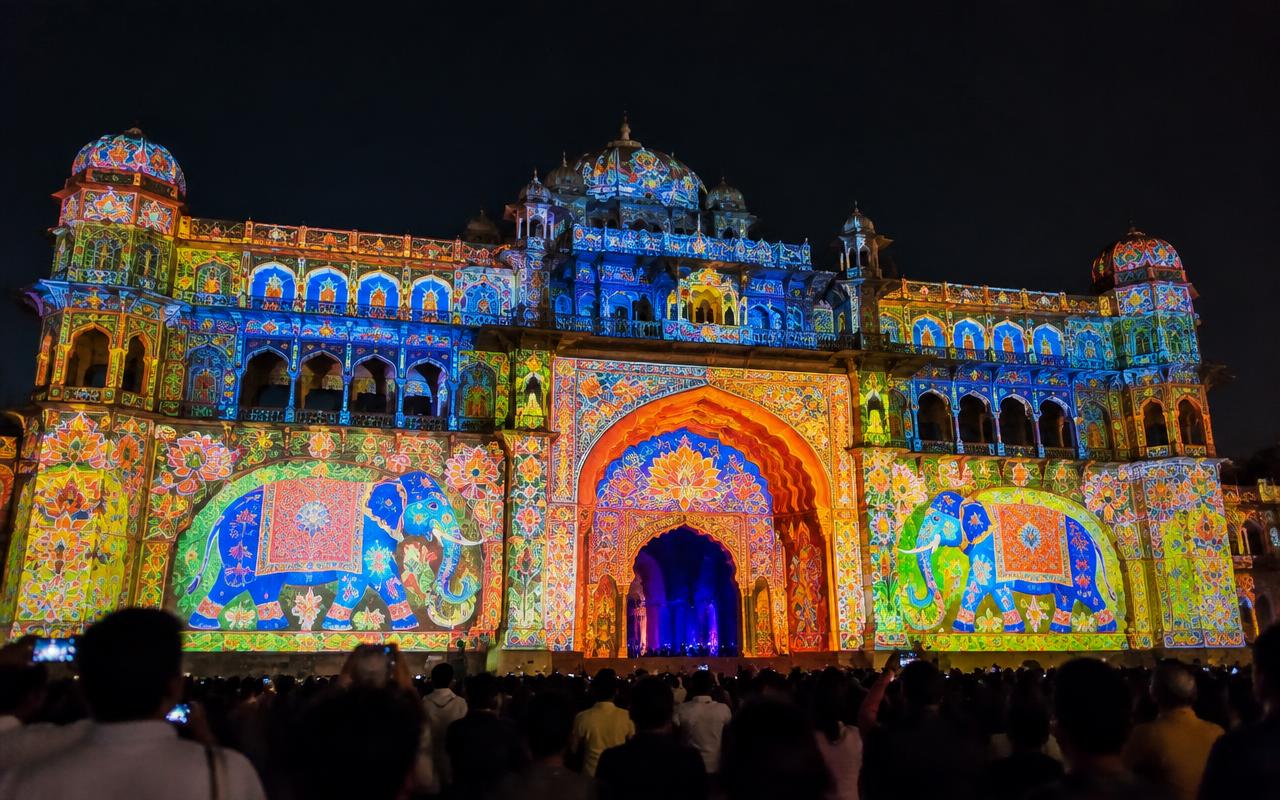
Prime AV Solutions covers Shegaon Naka as part of our Amravati service zone — sound, LED walls, lighting, staging, projection mapping and drone shows, quoted to each brief.
- Peak season
- Oct–Feb
- Site visits
- On request
- City
- Amravati
Key takeaway
Your local production team in Shegaon Naka
Amravati is the commercial centre of the western Vidarbha cotton belt, and the health of the cotton and soybean crop shows up directly in what the city will spend on an event. Sant Gadge Baba Amravati University and a cluster of engineering and agriculture colleges supply the institutional calendar, the Ambadevi temple anchors a devotional one, and the new textile park at Nandgaon Peth is beginning to bring industrial activity that the city has lacked. Crews loading into Shegaon Naka face the same access routes as the rest of the city: NH-53 runs through, putting Nagpur about three hours east, and freight into the campus and industrial venues is uncomplicated. The friction is the old city — Rajkamal Chowk, Itwara Bazaar and the lanes around the temple are congested and take nothing larger than a tempo in daylight, and day-time truck entry is restricted. Monsoon-season movement onto black-soil ground needs matted access roads laid before the first vehicle, not after.
Ganeshotsav in August–September commits mandal-grade sound and lighting across the city for ten days and is the busiest community production period of the year. The Ambadevi Navaratri fair draws large crowds, Gudi Padwa and Akshaya Tritiya open wedding seasons, and the post-harvest window from November to February is when agri trade bodies and farmer conventions actually meet. Marathi college festival season takes January and February dates. Weekend dates at hotels and lawns around Shegaon Naka fill first during Oct–Feb.
Local conditions
Loading in around Shegaon Naka
Load-in & access
NH-53 runs through, putting Nagpur about three hours east, and freight into the campus and industrial venues is uncomplicated. The friction is the old city — Rajkamal Chowk, Itwara Bazaar and the lanes around the temple are congested and take nothing larger than a tempo in daylight, and day-time truck entry is restricted. Monsoon-season movement onto black-soil ground needs matted access roads laid before the first vehicle, not after.
Power on site
MSEDCL supply into the city centre is adequate but the district's feeders carry heavy irrigation load and managed interruption is routine, worse in the surrounding talukas than in the city itself. Venue sanctioned loads are small, so diesel generation covers show load on almost every job; the local hire fleet is agriculture and construction oriented with a lot of older open sets, so specify silent canopies and verify the actual condition of the plant before it arrives.
Permits & noise rules
The Amravati Municipal Corporation allots grounds and issues pandal permissions, the district police handle assembly and traffic, and the Maharashtra Noise Pollution Rules apply with the state's characteristic seriousness — silence-zone provisions near hospitals and schools, the 10 pm outdoor amplified-sound limit, and Bombay High Court directions on festival loudspeaker use that are applied rather than ignored. Amravati has no scheduled commercial airport, which simplifies drone clearance to DGCA registration plus police intimation, and Melghat tiger reserve conditions apply to anything on that side of the district.
Weather & the rig
Western Vidarbha is among the hottest regions in Maharashtra and May routinely reaches 45–47°C with a dry searing wind that makes any daytime outdoor rehearsal unsafe without shade and crew rotation. The region is also drought-prone, which makes water for dust suppression scarce and expensive in the pre-monsoon months. The south-west monsoon from June to September delivers the year's rain in heavy spells, and the local black cotton soil becomes a slick, load-bearing nightmare when wet — the single most underestimated ground condition in this belt. March to mid-June is too hot for daytime outdoor work and crew heat stress becomes the limiting constraint. June–September monsoon makes black-soil ground unusable for vehicles and structures alike. October to February is the season, and farmer-facing events track the post-harvest months when there is money in the belt.
Venues
Venues near Shegaon Naka
| Venue | Capacity | Production note |
|---|---|---|
| Hotel Mahfil | 400–800 across the banquet hall and lawn | The city's most dependable commercial venue, with a modest sanctioned load and a narrow service approach, so stage and LED arrive on tempos in sequence rather than in a single delivery. |
| Sant Gadge Baba grounds | 5,000–20,000 across the university and adjoining open ground | Large bare campus ground with easy vehicle access and ample room for a generator compound, but no rigging, a dusty black-soil surface that turns greasy after rain, and availability governed entirely by the academic calendar. |
| Camp Area lawns | 800–2,500 across the lawn and hall circuit | The established wedding and function belt, running on lighting-grade connections with no spare capacity and no drainage, with residential neighbours close enough that array rear-rejection matters more than output. |
| Ambadevi temple precinct and adjoining grounds | 3,000–10,000 for devotional programming | Temple-trust controlled with continuous darshan queues that cannot be obstructed, so the structure footprint is tightly constrained and every cable run has to be ramped or trenched. |
| Nandgaon Peth industrial area function spaces | 1,000–4,000 in industrial and exhibition layouts | Developing industrial estate with genuine three-phase capacity close by and unrestricted truck access, but an unsurfaced, exposed site with no wind break, so structures need engineered ballast and walkways need matting. |
All services in Amravati
Other areas in Amravati
FAQ