Mysuru, Karnataka
Event AV in Hebbal
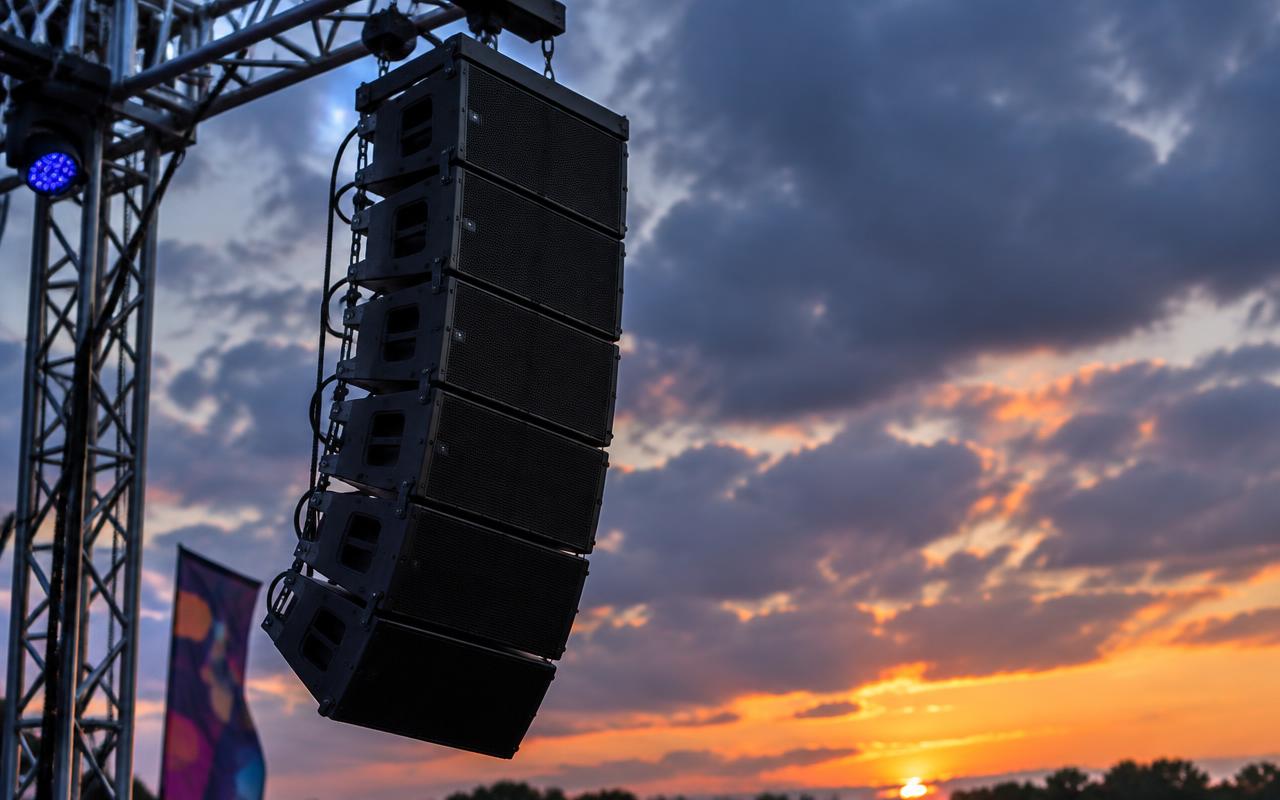
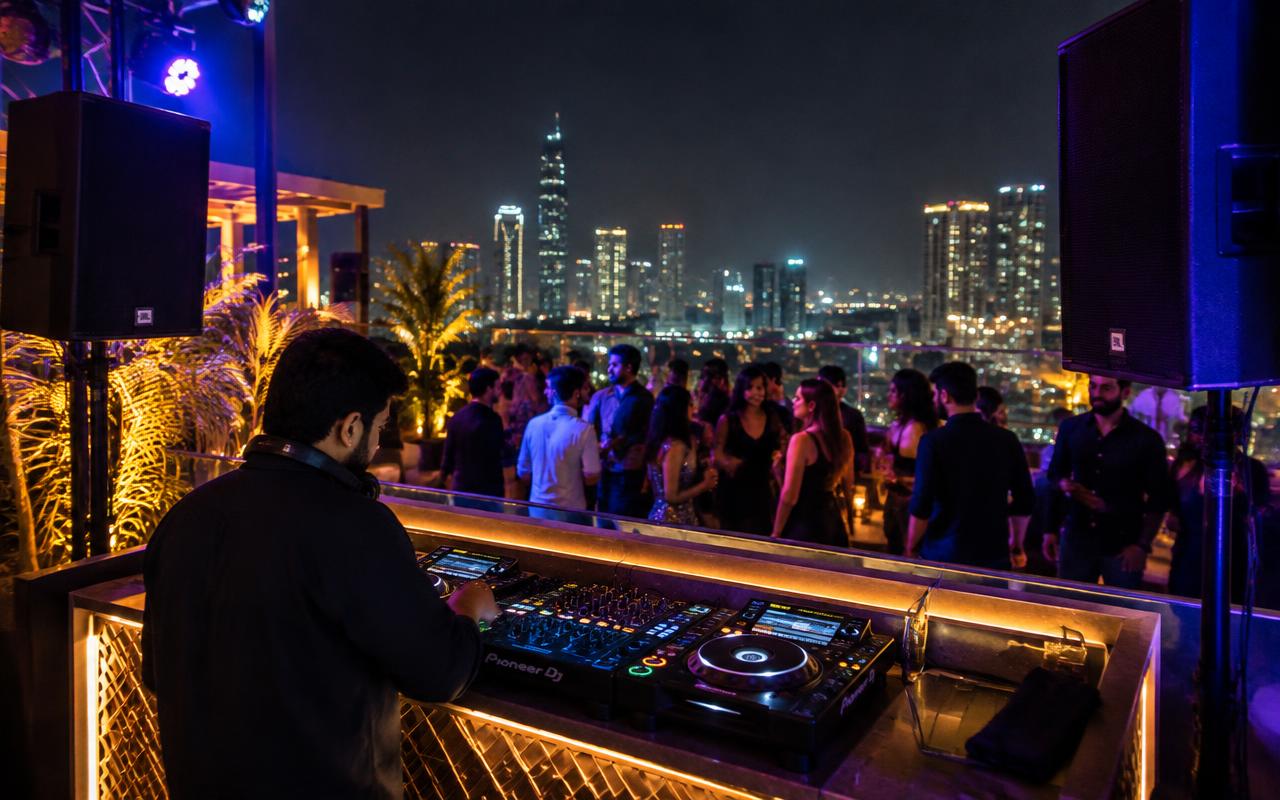
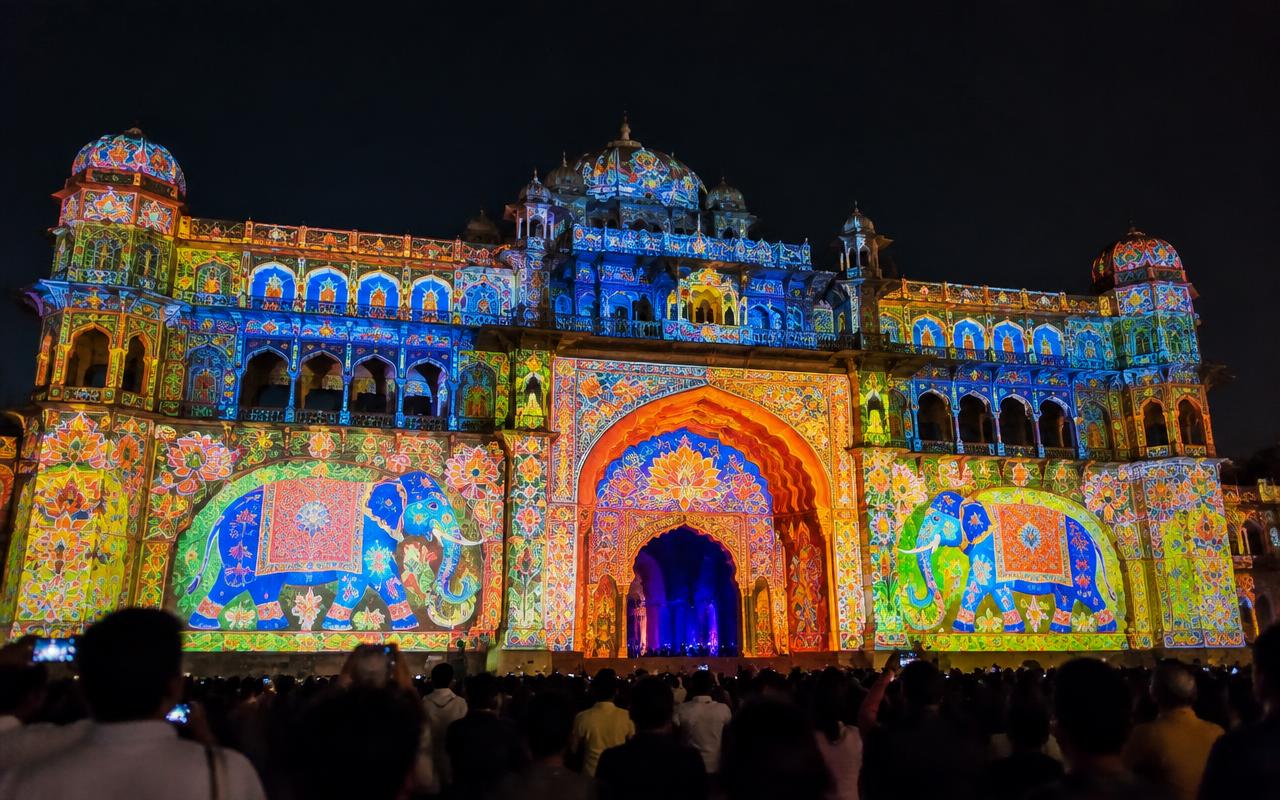
Prime AV Solutions covers Hebbal as part of our Mysuru service zone — sound, LED walls, lighting, staging, projection mapping and drone shows, quoted to each brief.
- Peak season
- Sep–Feb
- Site visits
- On request
- City
- Mysuru
Key takeaway
Your local production team in Hebbal
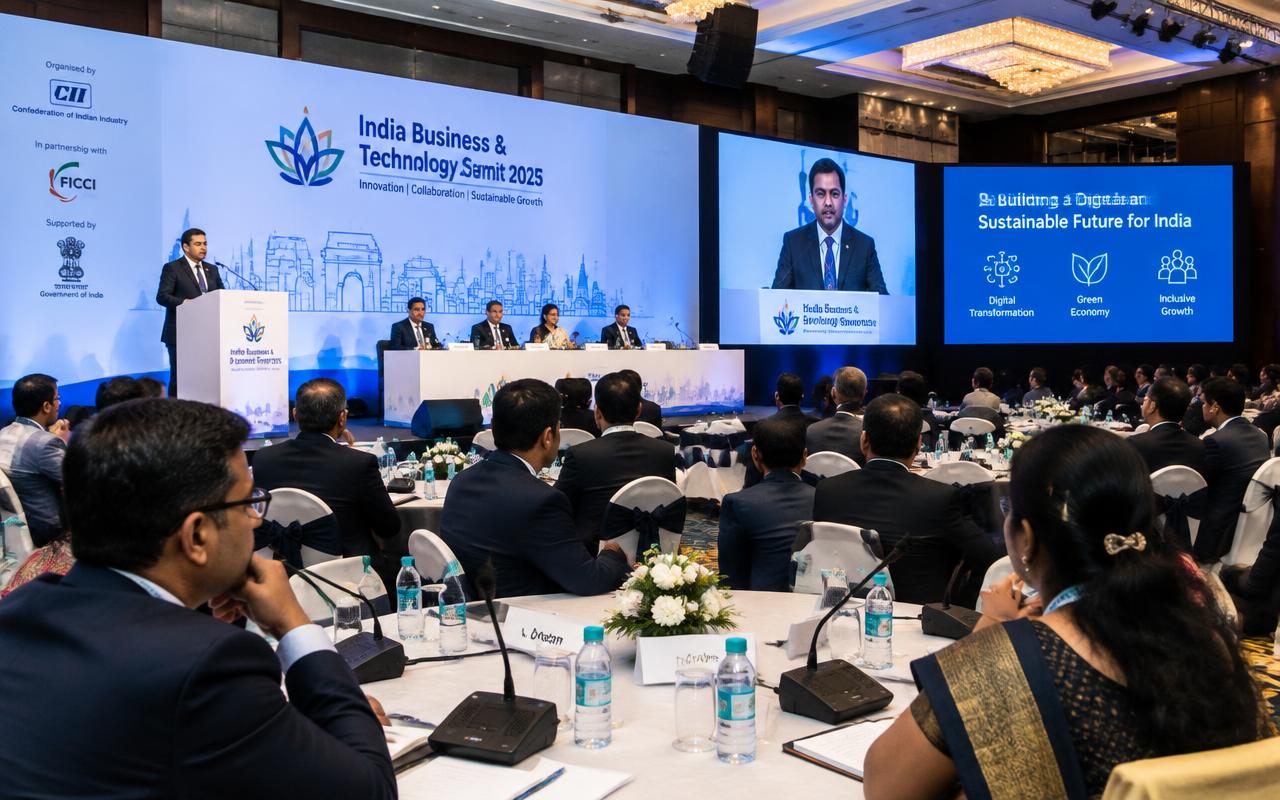
Mysuru's event economy has two distinct halves: the Dasara machine, where the palace, the city corporation and the state government run a ten-day production at civic scale, and a year-round corporate flow from the technology campuses on the Hebbal industrial side, plus the yoga and wellness tourism that fills the shoulder seasons. Heritage-venue weddings at the palace-era properties sit on top. Crews loading into Hebbal face the same access routes as the rest of the city: The city is easy to reach on the Bengaluru–Mysuru expressway, but the heritage core is the problem: Sayyaji Rao Road, the palace circumference and the Devaraja Market area are congested all day and closed off entirely during Dasara, so festival builds happen in police-allotted night windows with vehicles cleared before dawn. The palace forecourt takes no vehicles at all beyond the gates, which makes every heavy case a trolley job.
Dasara — Nada Habba — runs ten days across late September and October, culminating in the Jamboo Savari procession and the Bannimantap torchlight parade, and absorbs effectively all staging, barricading, lighting and generator capacity in the district for a month either side. The Mysuru literature and classical festivals take winter dates, Ugadi and Varamahalakshmi shape wedding timing, and the technology campuses schedule offsites in the dry January–March stretch. Weekend dates at hotels and lawns around Hebbal fill first during Sep–Feb.
Local conditions
Loading in around Hebbal
Load-in & access
The city is easy to reach on the Bengaluru–Mysuru expressway, but the heritage core is the problem: Sayyaji Rao Road, the palace circumference and the Devaraja Market area are congested all day and closed off entirely during Dasara, so festival builds happen in police-allotted night windows with vehicles cleared before dawn. The palace forecourt takes no vehicles at all beyond the gates, which makes every heavy case a trolley job.
Power on site
CESC supply in Mysuru is among the steadier distribution networks in Karnataka and the city invests in reliability ahead of Dasara. Hotel sanctioned loads are decent for the city's size, but palace and civic heritage venues release almost nothing for event use, so generators sited well away from the monument are the norm — and during Dasara the municipal load for the illumination itself takes priority, which is worth confirming before planning a mains tie-in.
Permits & noise rules
Dasara work routes through the Deputy Commissioner's Dasara committee and the Mysuru City Corporation, with the palace itself under its board's control and heritage conditions on any structure, fixing or heat source near the building. Mysuru City Police license assembly and manage the procession route. The Karnataka noise rules and the 10 pm limit apply, with tighter practical restraint in the Nazarbad and palace-adjacent residential areas. Drone flights over the palace and procession are generally refused on security grounds during the festival and need DGCA plus district clearance at any other time.
Weather & the rig
At around 760 m on the Deccan plateau, Mysuru has the gentlest climate in this set — rarely above 36°C even in April, with cool 16–18°C winter nights. The catch is the rain: the south-west monsoon from June to September and a secondary north-east spell in October–November mean Dasara itself routinely runs under showers, so every outdoor build in the festival window needs weather cover engineered in rather than added later. Monsoon humidity is high enough to matter for stored optics and for outdoor LED cabinet sealing. June–September is the main monsoon and October carries north-east showers that regularly interrupt Dasara. The reliable dry stretch is December to March; September–October is workable only with a committed wet-weather plan.
Venues
Venues near Hebbal
| Venue | Capacity | Production note |
|---|---|---|
| Mysore Palace | Thousands across the forecourt and surrounding grounds in a Dasara layout | A protected heritage monument under the palace board, famous for an illumination scheme of nearly a lakh bulbs — no fixings anywhere, structures held well off the facade, and your lighting design has to coexist with a house illumination you cannot switch off. |
| Radisson Blu Plaza Mysore | Around 1,000 in the ballroom, 1,600 with lawn | The most practical large indoor option, with a usable dock, but the ballroom grid is conference-rated and the property's residential neighbours make late-night outdoor sound a problem. |
| Lalitha Mahal Palace | 500–900 across the hall and terraces | A state-run heritage hotel with a grand central hall whose marble and plaster surfaces make it acoustically brutal; the sweeping entrance staircase is the only practical route in, so case sizes have to be planned around it. |
| Jaganmohan Palace and the Town Hall precinct | 600–1,500 seated or standing | Heritage civic buildings where temporary structures need both corporation and heritage-cell clearance, and vehicle access is through congested Sayyaji Rao Road. |
| Bannimantap and the Dasara procession grounds | Tens of thousands along the route and at the torchlight parade ground | Public ground used under district-administration control during Dasara, with police-dictated barricading lines, elephant movement corridors to keep clear, and cable routes that must survive crowd and animal traffic. |
All services in Mysuru
Other areas in Mysuru
FAQ