Jalandhar, Punjab
Event AV in GT Road
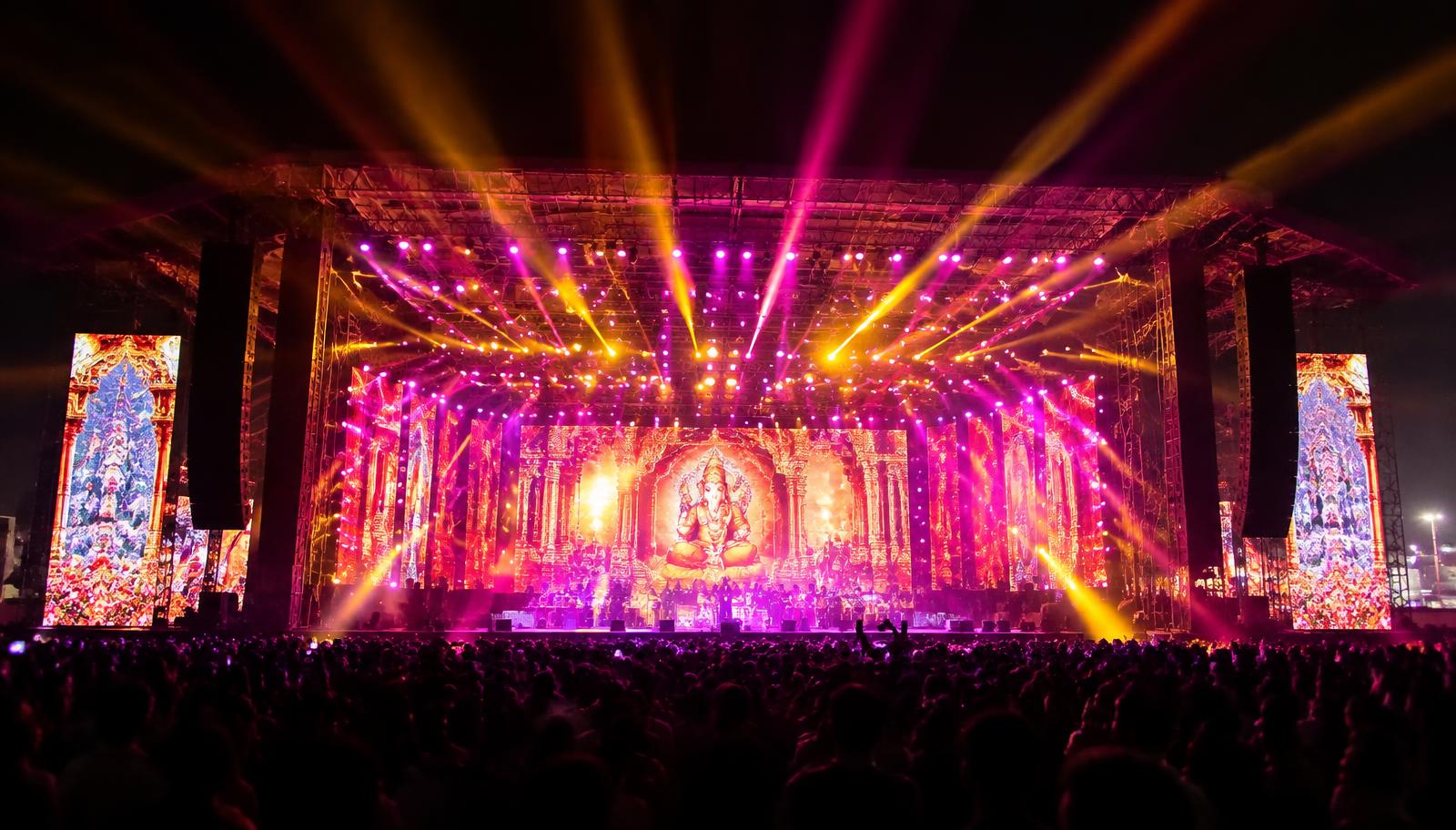
Prime AV Solutions covers GT Road as part of our Jalandhar service zone — sound, LED walls, lighting, staging, projection mapping and drone shows, quoted to each brief.
- Peak season
- Oct–Mar
- Site visits
- On request
- City
- Jalandhar
Key takeaway
Your local production team in GT Road
Jalandhar sits at the centre of Doaba, the most heavily emigrated belt in Punjab, and the NRI economy shapes almost everything: remittance-funded weddings at the palace-style banquet halls on the GT Road and Nakodar Road, visa and immigration expos, and property launches aimed at overseas buyers. Behind that sit the city's own industries — sports goods, hand tools and leather — plus a Punjabi music and broadcast ecosystem that produces real concert demand. Crews loading into GT Road face the same access routes as the rest of the city: NH-44 runs through the city, so freight from Delhi or Ludhiana is uncomplicated and the GT Road venues take full container trucks. The constraint is the city core — Model Town, Lajpat Nagar and the old bazaars are congested all day with no truck access, and PAP Ground operations run entirely on police-allotted windows with vehicle manifests submitted in advance. Multi-day wedding builds need a secure on-site compound because the rig stays up for three or four nights.
December and January are the NRI homecoming peak and every decent banquet venue, sound system and lighting rig in Doaba is committed — bookings for these weeks are made six months to a year out. The Harballabh classical sangeet sammelan at Devi Talab takes its December dates, Baisakhi in April and Lohri in January are major, Gurpurab dates bring large kirtan darbars, and the Jalandhar sports goods trade travels to its own fairs in spring. Weekend dates at hotels and lawns around GT Road fill first during Oct–Mar.
Local conditions
Loading in around GT Road
Load-in & access
NH-44 runs through the city, so freight from Delhi or Ludhiana is uncomplicated and the GT Road venues take full container trucks. The constraint is the city core — Model Town, Lajpat Nagar and the old bazaars are congested all day with no truck access, and PAP Ground operations run entirely on police-allotted windows with vehicle manifests submitted in advance. Multi-day wedding builds need a secure on-site compound because the rig stays up for three or four nights.
Power on site
PSPCL supply is better than the Uttar Pradesh comparison but agricultural load management means the surrounding belt still sees interruption, and the marriage palaces, despite their size, sanction loads sized for decorative lighting rather than a concert rig. Every serious job here is generator-backed, and since these are multi-day functions running late, fuel planning and a relief operator for the DG compound matter as much as the set itself.
Permits & noise rules
The Jalandhar Municipal Corporation and the district administration handle ground use, the police commissionerate licenses assembly and manages traffic for rallies and congregations, and the Punjab noise rules with the Supreme Court 10 pm limit apply. Enforcement here has a specific local history: the courts and police have acted against marriage-palace noise after midnight, so the practical approach is enclosed venues with sealed openings for the late hours. Drone work needs DGCA clearance and, given the proximity of the international border region, additional police coordination that should not be left late.
Weather & the rig
Punjab's winter fog rolls into the Doaba plain from late December through January, cutting visibility sharply and disrupting the very flights that bring NRI families in for the wedding season, so the run of show has to tolerate late arrivals. Summer peaks at 44–45°C in June with a dry dusty wind, the monsoon from late June to September brings heavy spells and the Sutlej and Beas catchments can flood low ground, and February onwards is the pleasant working weather. Late December to January fog creates genuine travel risk for overseas guests, May–June is too hot for daytime outdoor work, and July–September monsoon with occasional catchment flooding rules out open ground. October–November and February–March are the best windows; the NRI wedding peak sits in December and January regardless.
Venues
Venues near GT Road
| Venue | Capacity | Production note |
|---|---|---|
| Radisson Jalandhar | Around 800 in the ballroom, 1,500 with lawn | Solid hotel infrastructure on the GT Road side with a usable dock, but the ballroom is conference-rated for rigging and the lawn sits close enough to guest rooms that late-night sound becomes a management conversation. |
| Ramada Jalandhar | 600–1,200 across banquet and lawn | Convenient for travelling guests, though the service lift and corridor dimensions dictate the maximum LED cabinet and sub size — check before designing the wall. |
| PAP Ground | Tens of thousands in an open congregation or rally layout | Punjab Armed Police land used for very large religious gatherings and rallies, which means security-force control over access, timing and vehicle movement, no permanent power for show load, and a distributed delay-tower design over a vast standing crowd. |
| GT Road and Nakodar Road palace banquet belt | 1,500–4,000 across the larger marriage palaces | Purpose-built for Punjabi weddings with high roofs and decent three-phase, but they are designed for decor rather than acoustics — vast hard volumes with long reverberation that punish an over-powered system. |
| Devi Talab Mandir precinct | 1,000–3,000 for the classical sammelan and festival programming | A temple precinct hosting one of north India's oldest classical music conferences, where night-long recitals need a genuinely musical, low-noise system and discreet structure that respects the religious setting. |
All services in Jalandhar
Other areas in Jalandhar
FAQ