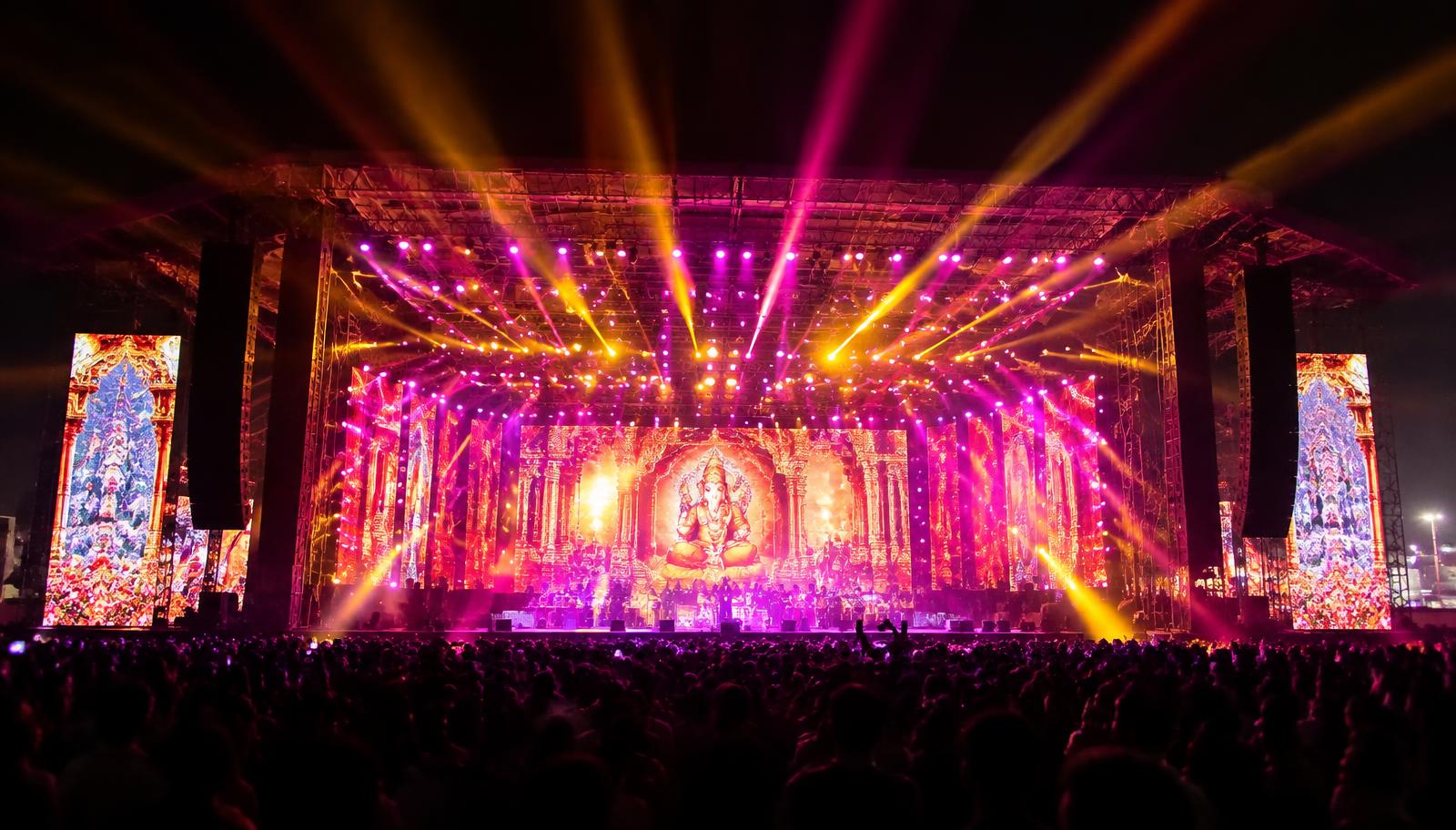
Haridwar, Uttarakhand
Event AV in Rishikesh
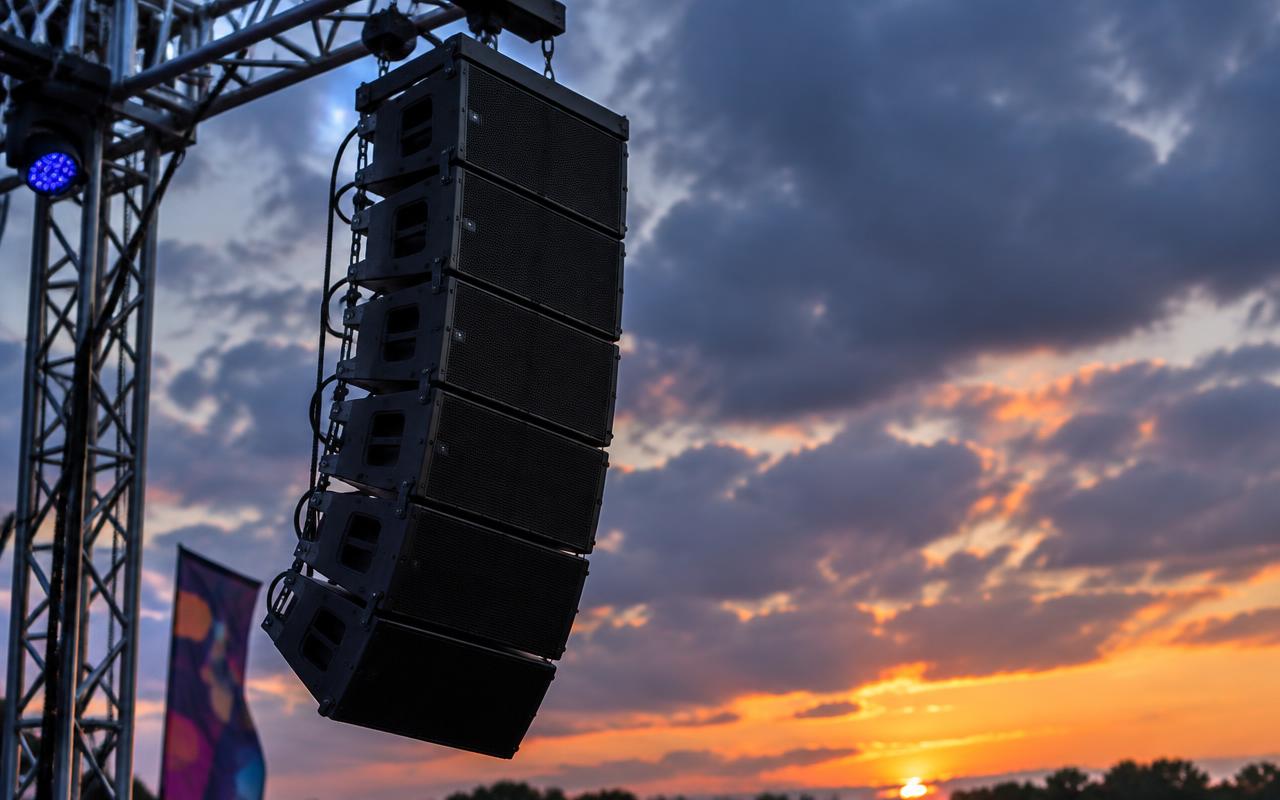
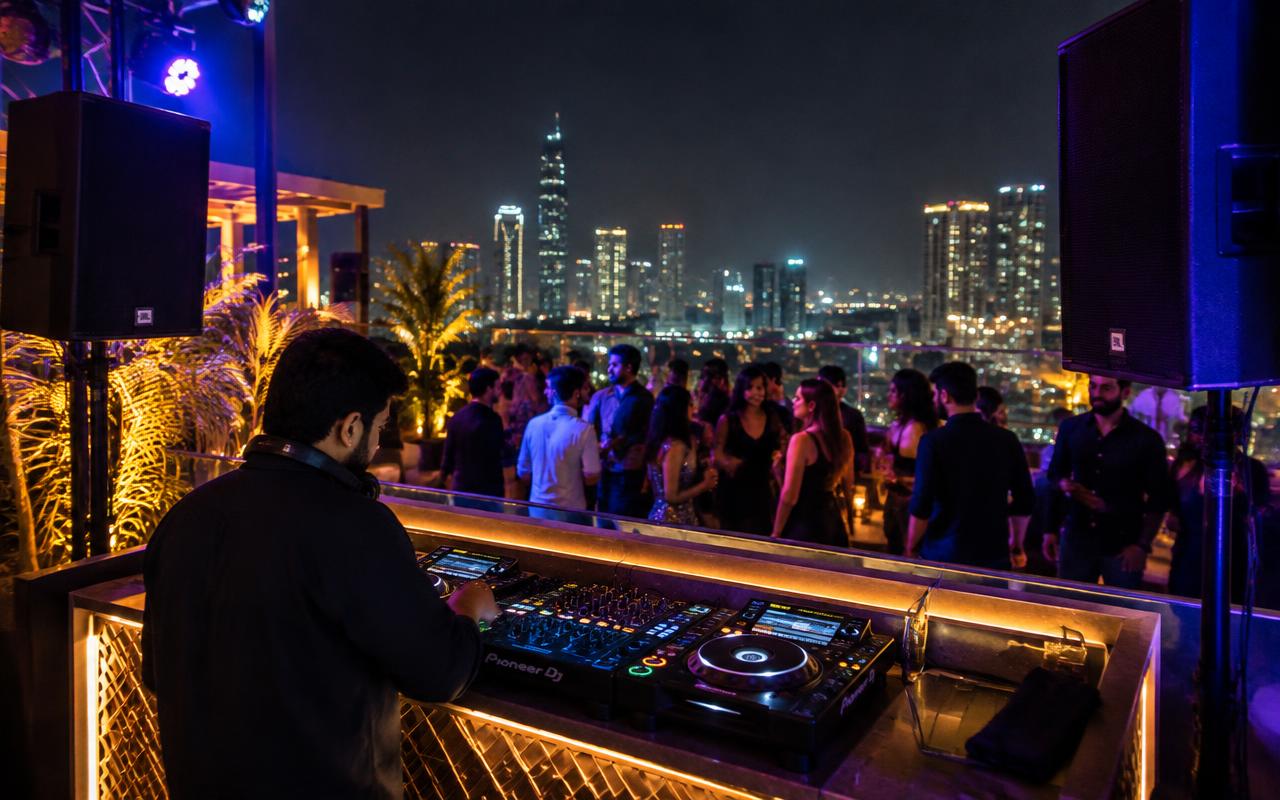
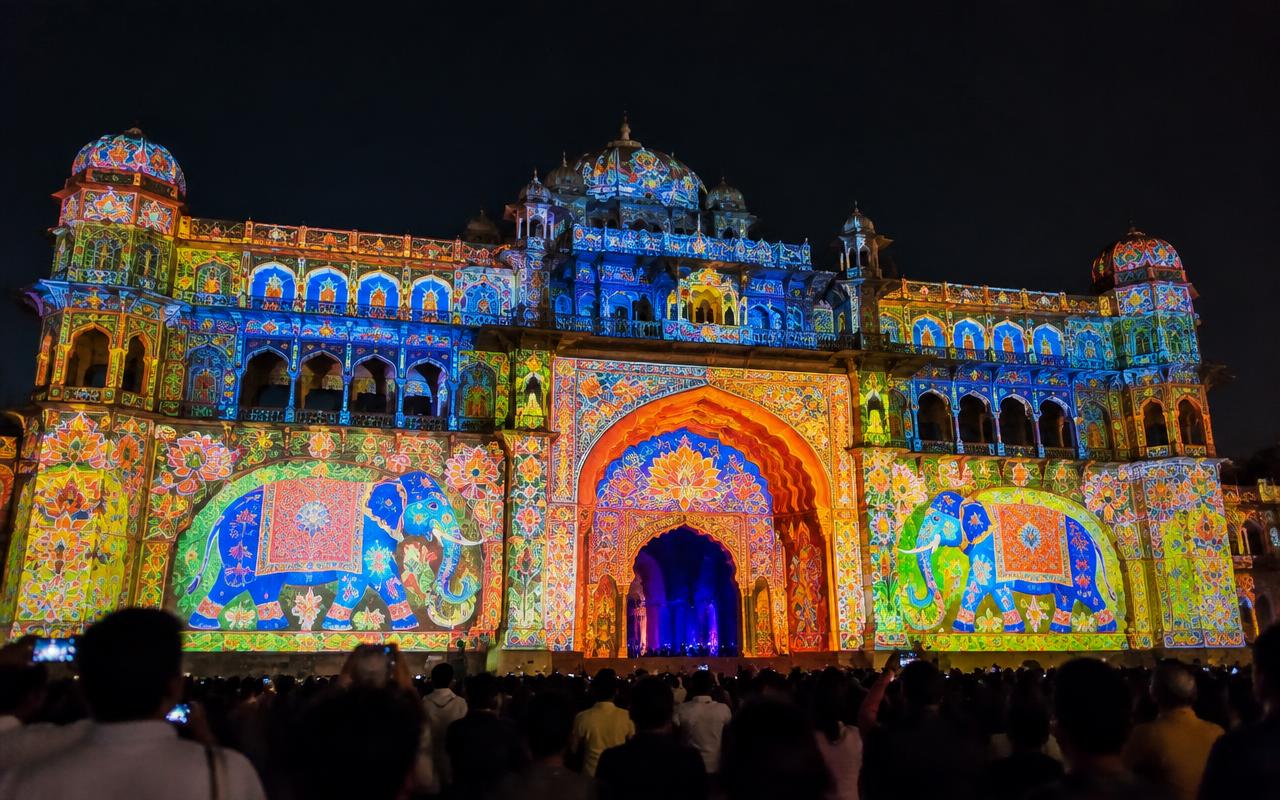
Prime AV Solutions covers Rishikesh as part of our Haridwar service zone — sound, LED walls, lighting, staging, projection mapping and drone shows, quoted to each brief.
- Peak season
- Oct–Apr
- Site visits
- On request
- City
- Haridwar
Key takeaway
Your local production team in Rishikesh
Haridwar is two economies sharing a river: the pilgrimage city of Har Ki Pauri and the Ganga Aarti, and the SIDCUL industrial estate at Ranipur with its pharma and auto-ancillary plants. Patanjali's campus and Gurukul Kangri add an institutional and spiritual conference layer, and the riverside properties upstream carry a growing destination-wedding trade. Crews loading into Rishikesh face the same access routes as the rest of the city: Delhi is 220 km and about 5 hours via NH-334 and the new Dehradun corridor, so trucks move overnight from Delhi. The old city is the constraint — the lanes around Har Ki Pauri, Moti Bazaar and Upper Road take nothing larger than a hand cart, so the plan is a tempo drop on Upper Road plus a porter chain, and the hand-carry time has to be scheduled as a work package rather than an inconvenience. Through Shravan the highway is diverted for the Kanwar route and heavy vehicles are barred for weeks.
Kanwar Yatra through Shravan in Jul–Aug puts millions of pilgrims on foot through the city and makes commercial AV work impossible. Kumbh and Ardh Kumbh absorb the district's entire capacity when they fall here, and the Baisakhi, Somvati Amavasya and Kartik Purnima snans each bring their own surge. Ganga Dussehra, the Patanjali event calendar and the Oct–Apr wedding window fill the rest. Weekend dates at hotels and lawns around Rishikesh fill first during Oct–Apr.
Local conditions
Loading in around Rishikesh
Load-in & access
Delhi is 220 km and about 5 hours via NH-334 and the new Dehradun corridor, so trucks move overnight from Delhi. The old city is the constraint — the lanes around Har Ki Pauri, Moti Bazaar and Upper Road take nothing larger than a hand cart, so the plan is a tempo drop on Upper Road plus a porter chain, and the hand-carry time has to be scheduled as a work package rather than an inconvenience. Through Shravan the highway is diverted for the Kanwar route and heavy vehicles are barred for weeks.
Power on site
UPCL's town supply is adequate and SIDCUL's industrial feeders are genuinely strong, but the ghat precinct's electrics are old and shared, so ghat-side events run on silent DG placed well back with long cable runs. Riverside camps are entirely generator-fed with fuel carried in, and the licence conditions on how close a set may sit to the water are enforced.
Permits & noise rules
Haridwar Nagar Nigam for the licence and temporary structures, the district administration and SSP for assembly and loudspeaker permission, and Uttarakhand noise rules with the 10 pm outdoor limit. Three layers are specific to Haridwar: the Ganga Sabha's authority over Har Ki Pauri and the aarti, the Namami Gange and state riverbank rules that bar structures, generators and discharge close to the water and have shut operations down for breaching them, and Rajaji Tiger Reserve on the eastern flank, which bars amplified sound and spill lighting towards the forest boundary. Drones are treated as off-limits over the temple and ghat precinct.
Weather & the rig
The Shivalik foothills dump the Jul–Sep monsoon and the Ganga runs high and brown — riverside builds come off the sand entirely in those months and the Haridwar–Rishikesh road takes landslide debris. Nov–Jan brings heavy dawn river fog that makes the 5 am aarti beautiful to the eye and almost impossible to film, and defeats any projection before mid-morning. Apr–Jun hits 40–42°C on the valley floor with the Kanwar crowd arriving on top of it. Jul–Sep monsoon and high river; and Jul–Aug Kanwar Yatra, when commercial vehicles are barred and the city is functionally closed to production work.
Venues
Venues near Rishikesh
| Venue | Capacity | Production note |
|---|---|---|
| Har Ki Pauri | Ceremonial and aarti-linked use; tens of thousands at the ghats | The Brahmakund precinct is Ganga Sabha territory — no vehicle access, no structures on the ghat steps, no ground penetration, and any amplification has to be designed around the aarti timing and its own established sound system rather than replacing it. |
| Haveli Hari Ganga | Up to 250 across the courtyard and private ghat | A heritage haveli at Ram Ghat whose lane is too narrow for any vehicle, so everything hand-carries from an Upper Road drop point — budget four to five hours of porterage each way; the private ghat courtyard is the only usable build area and it is small. |
| Rishikesh riverside camps | 100–400 per licensed camp | Seasonal camps on the Ganga bank upstream in the Shivpuri stretch: licence conditions bar structures and generators close to the water, there is no mains supply at all, and the whole operation comes off the sand the moment the river starts to rise. |
| Patanjali Yogpeeth auditoria | 1,000–5,000 depending on the hall | Large institutional halls with real capacity, run to the organisation's own conventions — vegetarian catering, no alcohol, content and programme clearance through their office, and an internal technical team whose processes govern the build. |
| SIDCUL Ranipur venues and guest houses | 300–1,500 across industrial-estate facilities | The one part of Haridwar with genuinely strong three-phase industrial supply and open truck approach; the trade-off is plant-safety induction for crew, gate logging and a load-in window dictated by factory shift changes. |
All services in Haridwar
Other areas in Haridwar
FAQ