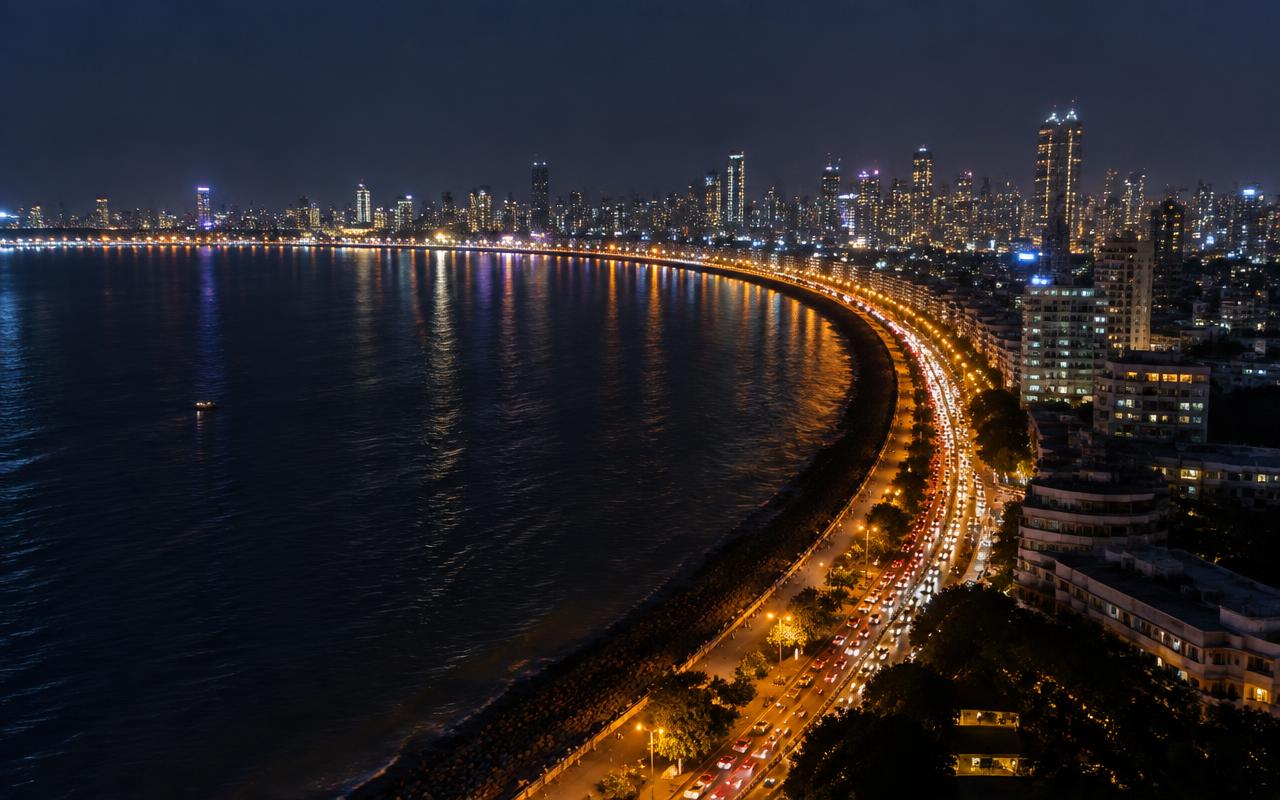
Thane, Maharashtra
Event AV in Hiranandani Estate
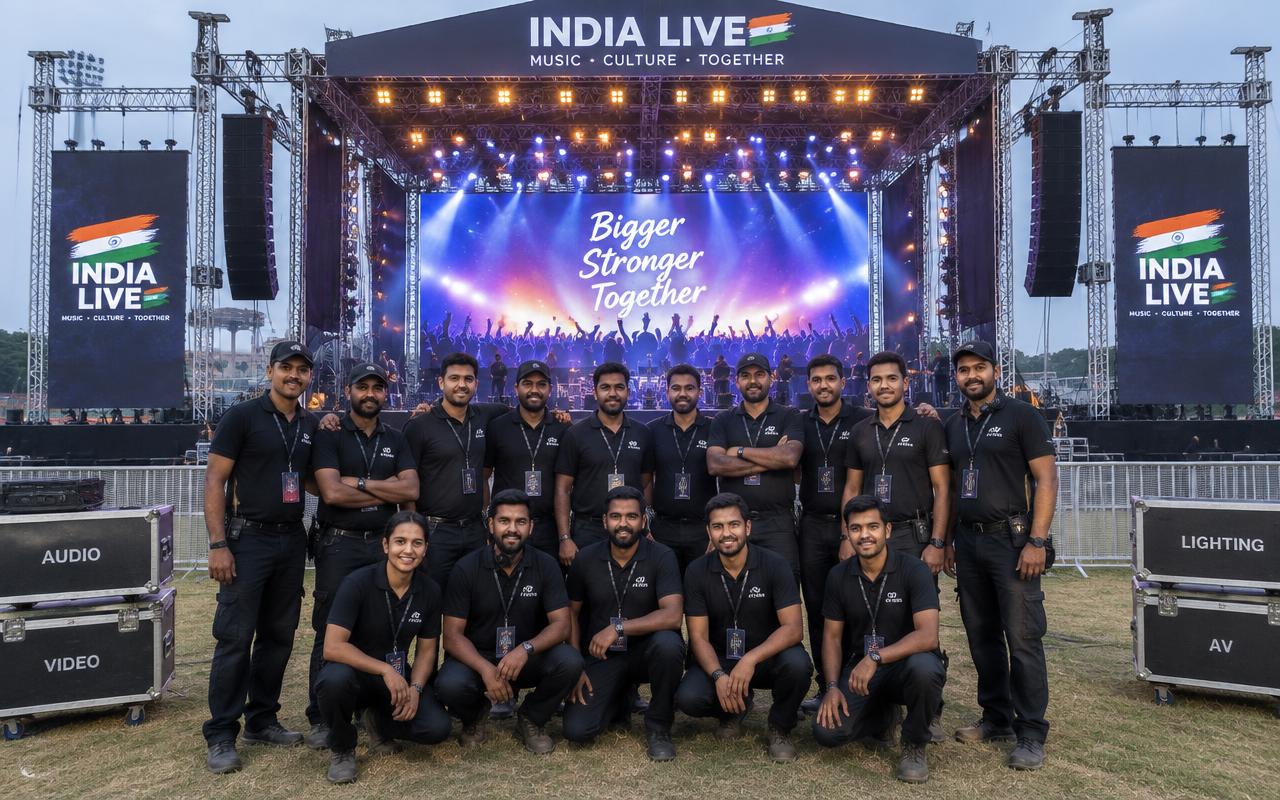
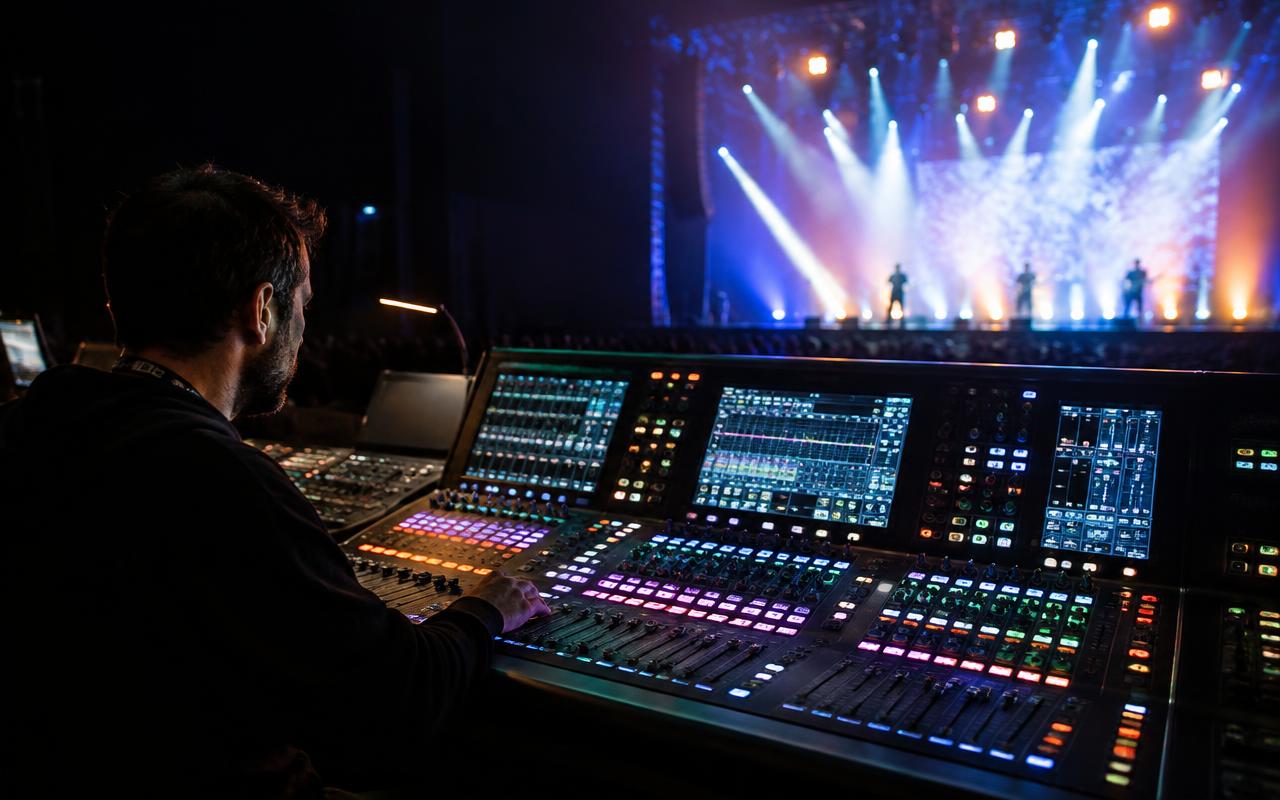
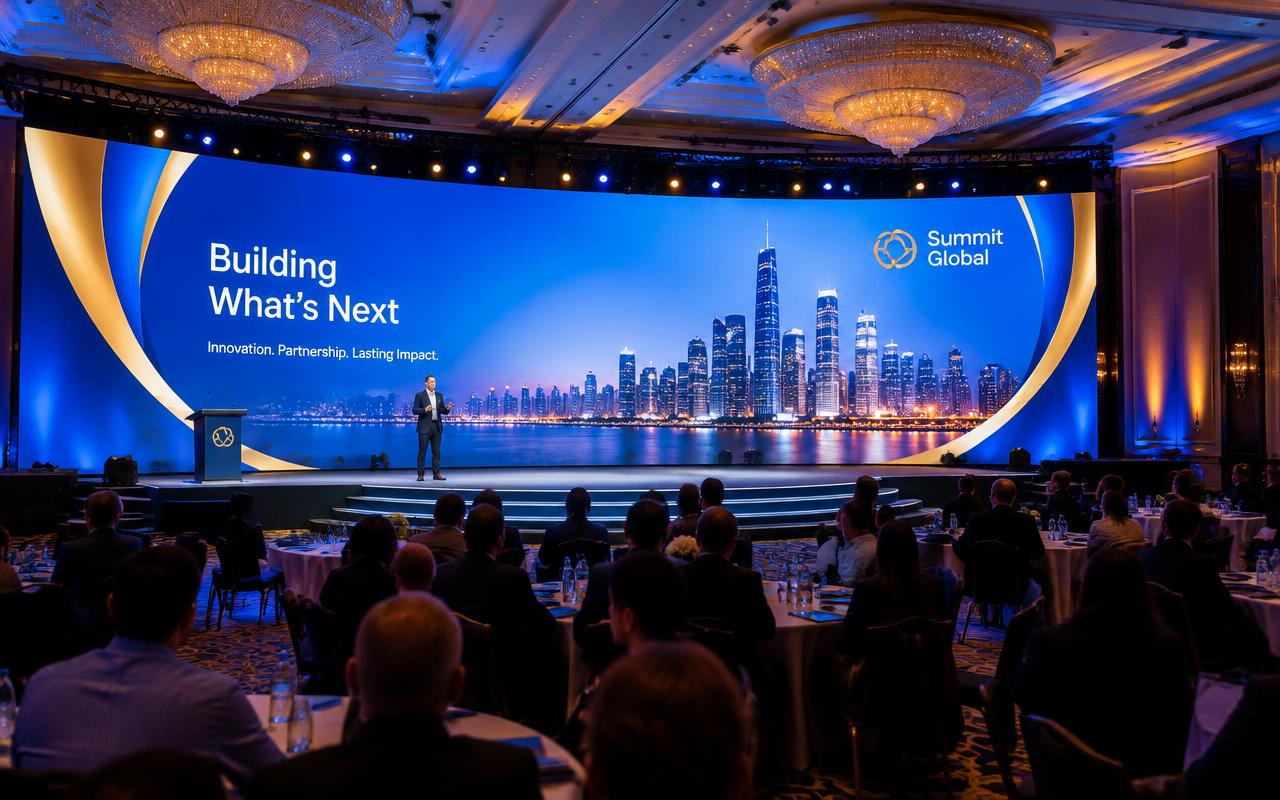
Prime AV Solutions covers Hiranandani Estate as part of our Thane service zone — sound, LED walls, lighting, staging, projection mapping and drone shows, quoted to each brief.
- Peak season
- Oct–Mar
- Site visits
- On request
- City
- Thane
Key takeaway
Your local production team in Hiranandani Estate
Thane has stopped being a Mumbai suburb and become its own commercial centre — Wagle Estate's industrial land turned corporate, a pharma belt at Kolshet, one of the densest mall economies in the state, and the Ghodbunder Road high-rise corridor whose townships run festival calendars at genuine scale. It is also one of the busiest wedding-banquet markets in the metropolitan region. Crews loading into Hiranandani Estate face the same access routes as the rest of the city: The Ghodbunder corridor is the defining logistical fact — it is the only link from Thane to the western suburbs and Bhiwandi, it is perennially under metro and flyover construction, and a 25 km run can take two hours in the evening peak. Heavy vehicles are barred from LBS Marg and the station area through the day, so load-ins run 11 pm to 7 am. The compensation is Bhiwandi's warehouse cluster 20 km away, which makes Thane one of the cheapest places in the region to source trucks and rigging stock — provided everything moves at night.
Ganeshotsav in Aug–Sep is the immovable commitment: Thane's mandal culture is intense and the district's entire sound, lighting and truss stock is engaged for eleven days. Navratri garba fills the Gujarati-dense Panchpakhadi and Majiwada pockets. The TMC-run Upvan Arts Festival lands in January, Gudi Padwa's Shobha Yatra in Mar–Apr, and the Nov–Feb wedding grid books the banquet belt on the auspicious nights. Weekend dates at hotels and lawns around Hiranandani Estate fill first during Oct–Mar.
Local conditions
Loading in around Hiranandani Estate
Load-in & access
The Ghodbunder corridor is the defining logistical fact — it is the only link from Thane to the western suburbs and Bhiwandi, it is perennially under metro and flyover construction, and a 25 km run can take two hours in the evening peak. Heavy vehicles are barred from LBS Marg and the station area through the day, so load-ins run 11 pm to 7 am. The compensation is Bhiwandi's warehouse cluster 20 km away, which makes Thane one of the cheapest places in the region to source trucks and rigging stock — provided everything moves at night.
Power on site
MSEDCL with Torrent Power in parts of the city — reliable overall, with strong MIDC feeders in Wagle Estate. The constraint is the Ghodbunder townships, where loads are already high and newer society lawns often have no spare sanctioned capacity at all, so DG is the default. In a township courtyard the DG placement is frequently the single hardest decision on the plan, because Maharashtra's noise rules and the residents both have a view.
Permits & noise rules
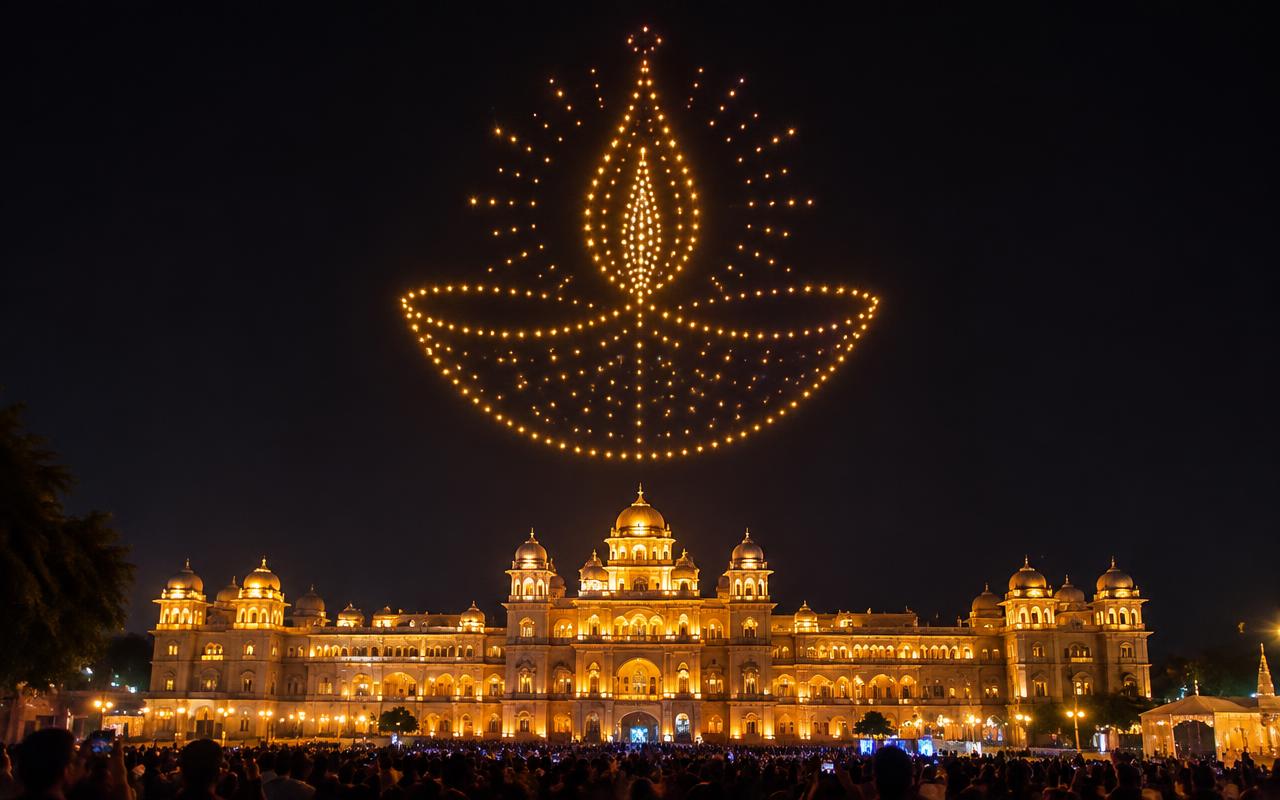
Thane Municipal Corporation for the licence, temporary-structure permission and fire NOC, the Thane Police Commissionerate for the public-performance and loudspeaker licence, and MPCB noise rules with Maharashtra's 10 pm outdoor cut-off — enforced here with real prosecutions, and the Bombay High Court's silence-zone jurisprudence grew out of exactly this kind of dense setting. The TMC tree authority is involved wherever a build touches the Yeoor-side greenery, and the Sanjay Gandhi National Park boundary bars amplified sound and spill lighting towards the forest. Thane is inside Mumbai airport's control zone, so drone permissions are a Digital Sky and ATC exercise and are routinely declined for evening shows.
Weather & the rig
Thane sits in a bowl between the Yeoor hills and Thane Creek, which makes it measurably hotter and stiller than coastal Mumbai in Mar–May at 38–40°C with no sea-breeze relief. The Jun–Sep monsoon brings around 2,400 mm, and the Yeoor slope's runoff floods Ghodbunder and the station area. Creek humidity holds at 80–90% year-round, and the Yeoor foothill venues draw a serious insect load to stage lighting after the rains, which is a practical design problem rather than a nuisance. Jun–Sep monsoon; and Mar–May for outdoor evening builds unless there is a real cooling plan, because the bowl holds the heat after dark.
Venues
Venues near Hiranandani Estate
| Venue | Capacity | Production note |
|---|---|---|
| Dadoji Konddev Stadium | 15,000-plus with the ground in use | A Thane Municipal Corporation stadium used for civic functions, rallies and large cultural shows: TMC permission, pitch protection before any vehicle enters, one usable service gate, and dense residential surroundings that make the 10 pm rule absolute rather than negotiable. |
| Tip Top Plaza | Up to 1,500 across halls on multiple floors | A long-established LBS Marg banqueting complex where the goods lift and a low false-ceiling-to-slab gap size the rig, and LBS Marg's traffic dictates the load-in hour — there is no realistic daytime window. |
| Hiranandani Estate lawns | 1,000–3,000 across lawns and plaza spaces | Excellent surfaces and parking in the Ghodbunder township, but the society committee is the real decision-maker, the surrounding towers impose a resident-driven sound ceiling well below the legal limit, and the build has to keep residents' access routes clear throughout. |
| Gadkari Rangayatan | Roughly 900 fixed seats | Thane's much-loved Marathi proscenium theatre on Ram Maruti Road: house grid, tight wings, a stage door on a congested street, and an audience literate enough in theatre to notice a poor sound mix immediately. |
| Upvan Lake grounds | Up to 8,000 on the open ground | The Upvan Arts Festival site below the Yeoor hills — TMC-controlled, scenic, and bounded by the Sanjay Gandhi National Park edge, which bars amplified sound and spill lighting towards the forest and brings genuine insect load under stage lighting in the post-monsoon weeks. |
All services in Thane
Other areas in Thane
FAQ