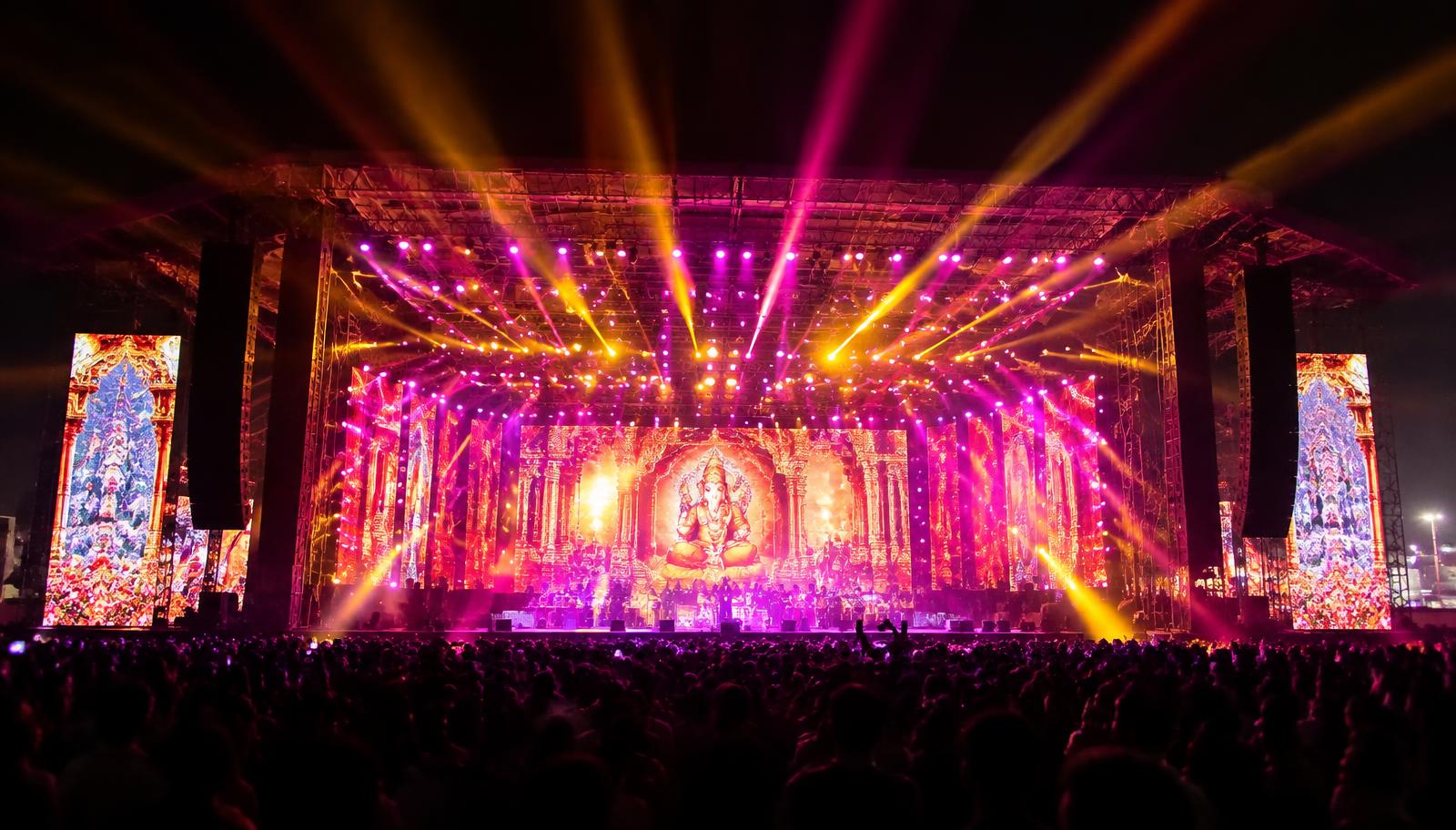
Gwalior, Madhya Pradesh
Event AV in Thatipur
Prime AV Solutions covers Thatipur as part of our Gwalior service zone — sound, LED walls, lighting, staging, projection mapping and drone shows, quoted to each brief.
- Peak season
- Oct–Feb
- Site visits
- On request
- City
- Gwalior
Key takeaway
Your local production team in Thatipur
Scindia heritage gives Gwalior a palace-wedding market that competes with Rajasthan's, and the Gwalior gharana gives it an audience that genuinely evaluates sound. Add the fort and its tourism, Scindia School and IIITM, the Malanpur small-industry belt and an Air Force station, and the demand mixes heritage spectacle with institutional formality. Crews loading into Thatipur face the same access routes as the rest of the city: Gwalior is on NH-44 with Agra two hours away and Delhi five to six, which puts it within comfortable reach of NCR inventory and makes it the easiest of the Madhya Pradesh cities to service. The wide Lashkar and Morar roads take large trucks. The fort approach is a steep ramped climb with hairpins and a gated entry that only small vehicles pass, so a fort-side event means a transfer yard at the base and a shuttle of light vehicles; the Sarafa and Daulatganj bazaars are lane-width only.
Tansen Samaroh in December at Behat is one of India's oldest classical music festivals and commits the city's best audio crews for a week. The Gwalior Trade Fair runs from December into February and occupies its ground and local infrastructure for the duration — which overlaps the November to March heritage wedding season and the Gwalior Literature Festival, making winter the only contested window in the year. Weekend dates at hotels and lawns around Thatipur fill first during Oct–Feb.
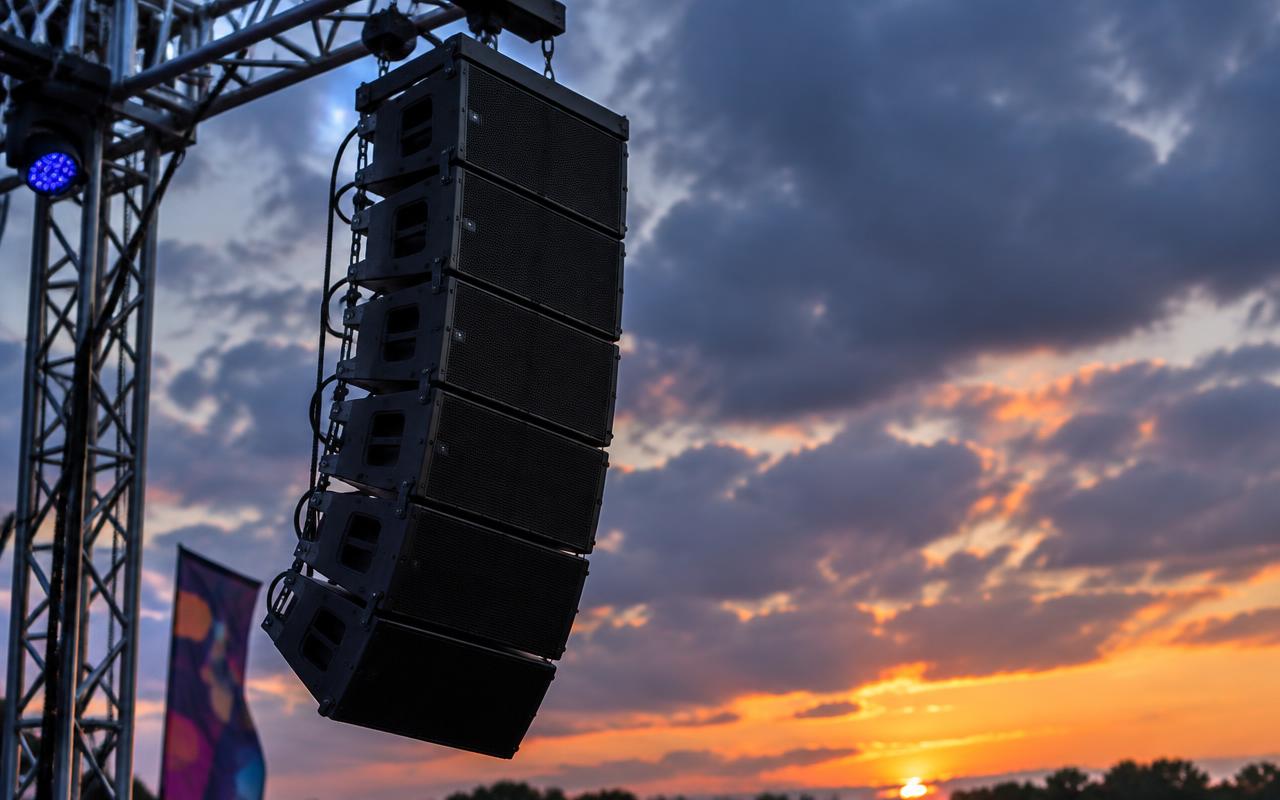
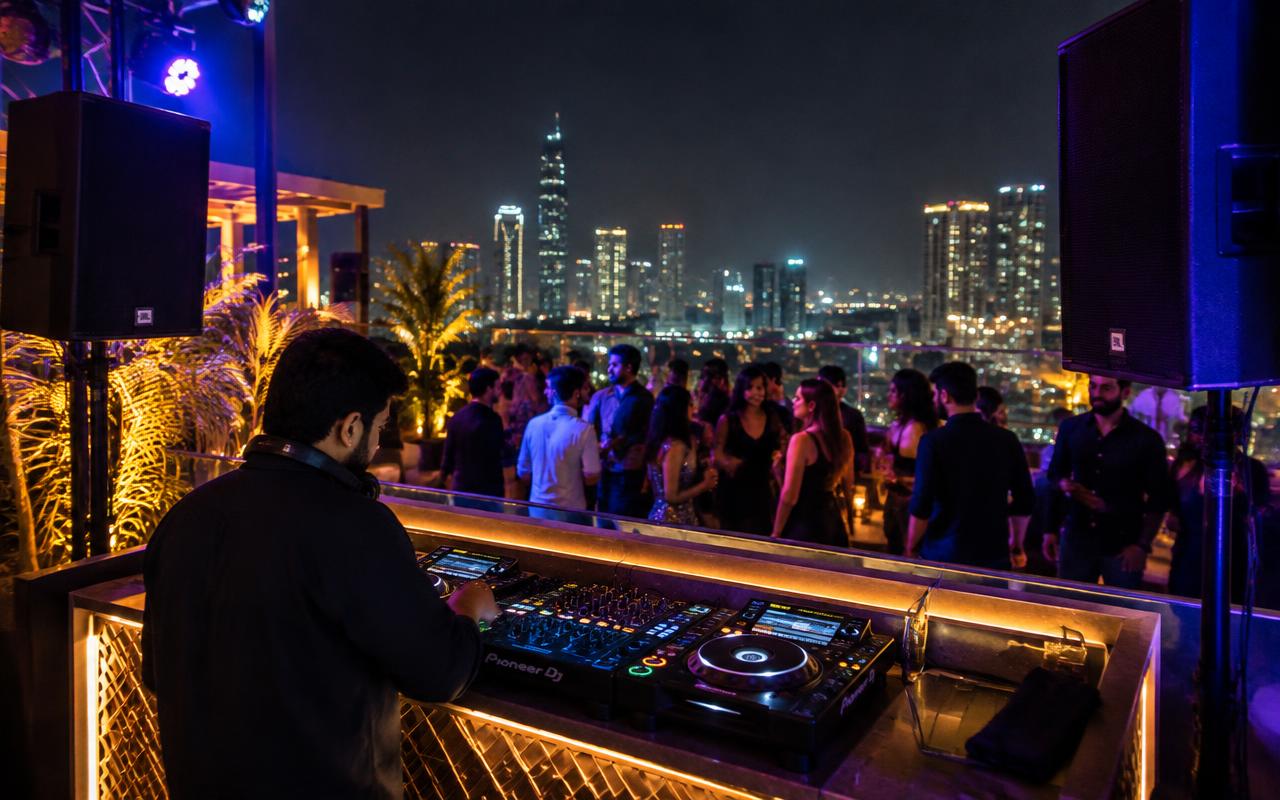
Local conditions
Loading in around Thatipur
Load-in & access
Gwalior is on NH-44 with Agra two hours away and Delhi five to six, which puts it within comfortable reach of NCR inventory and makes it the easiest of the Madhya Pradesh cities to service. The wide Lashkar and Morar roads take large trucks. The fort approach is a steep ramped climb with hairpins and a gated entry that only small vehicles pass, so a fort-side event means a transfer yard at the base and a shuttle of light vehicles; the Sarafa and Daulatganj bazaars are lane-width only.
Power on site
MPMKVVCL supply is middling with routine interruptions, so DG primary is the design assumption. At the heritage properties the generators are hired, silenced and sited well away from guest areas as an explicit condition of use, which usually means a longer cable run than the drawing first assumed. MPPCB acoustic norms and the 10pm cut apply.
Permits & noise rules
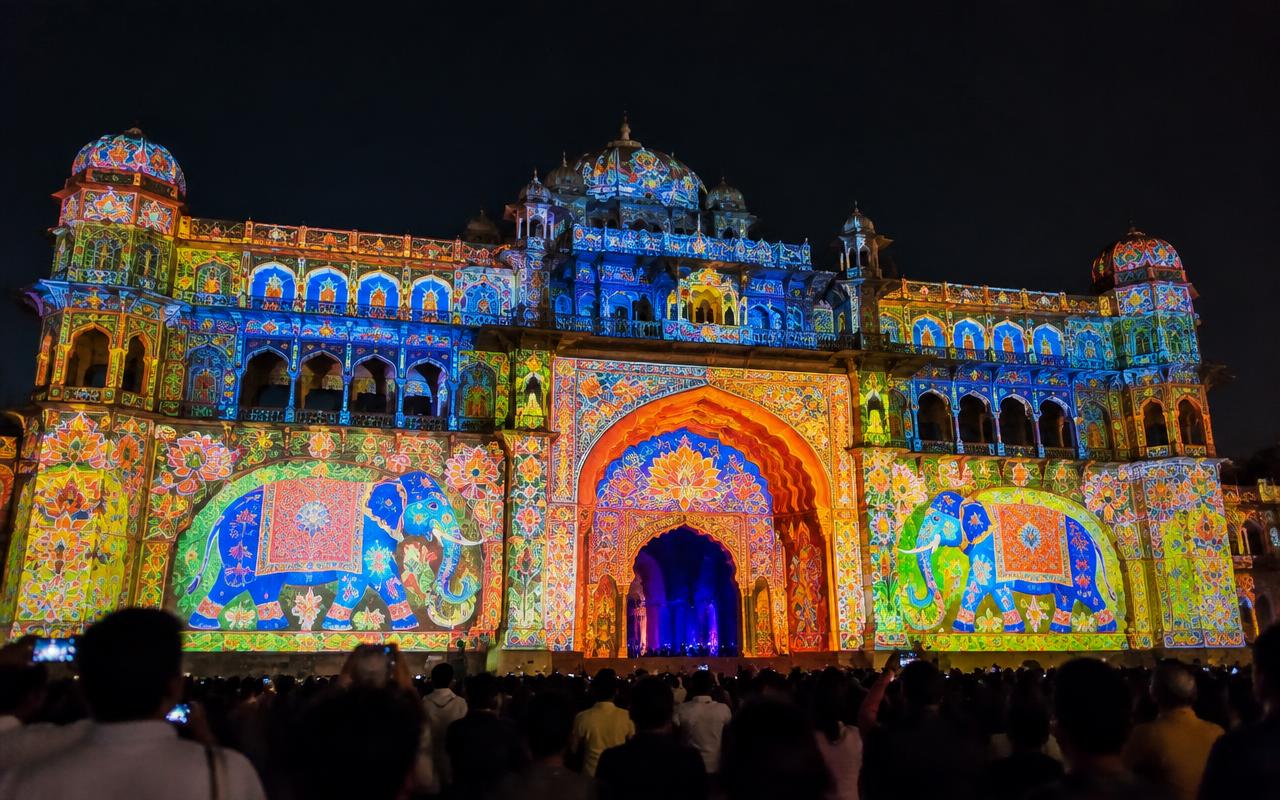
Gwalior Municipal Corporation issues ground and temporary-structure permission, the city police license loudspeakers and gatherings, and MPPCB applies the noise standards. The Archaeological Survey of India controls Gwalior Fort, Man Mandir and the Sas-Bahu temples, so projection mapping, structures, fixings, amplified sound and drones within the protected precinct all require ASI permission with strict conditions on load, heat and proximity to carved surfaces. The Scindia trust governs Jai Vilas separately, and the Maharajpura Air Force station makes the drone restriction over the city unusually firm.
Weather & the rig
On the Malwa-Bundelkhand margin Gwalior runs to central India's extremes: 45–46°C in May with dry loo winds carrying Chambal-belt dust, and January nights down to 4–6°C with plains fog. The local detail that catches producers out is the fort — its elevated sandstone plateau catches substantially more wind than the city below, which changes the structural and projection calculations for anything built on the fort side. Apr–Jun for daytime outdoor builds; Jul–Sep monsoon; Dec–Jan fog wherever projection or a fort-façade mapping design is the centrepiece of the show.
Venues
Venues near Thatipur
| Venue | Capacity | Production note |
|---|---|---|
| Taj Usha Kiran Palace | A few hundred across courtyards and lawns at Jayendraganj | A restored Scindia-era palace where nothing is fixed to historic fabric, point loads are limited, generators are kept out of earshot and sightline, and the lighting brief is to model carved sandstone rather than wash it flat. |
| Jai Vilas Palace | Several hundred to a few thousand across the palace precinct | The Scindia trust governs access rather than a venue sales team, cable routing and load points are negotiated item by item, and anything involving flame or pyrotechnics is effectively off the table. |
| Captain Roop Singh Stadium | Tens of thousands in the bowl | Association clearance, complete turf protection and ground support only, with the whole site generated and the stand geometry limiting where towers can stand without blocking blocks of seating. |
| Tansen Samaroh grounds, Behat | A few thousand on open ground beside Tansen's tomb | A festival ground adjoining a protected monument precinct, so structure placement and lighting are constrained by heritage conditions and the audio brief is the quietest, most transparent system available. |
| Gwalior Trade Fair ground | Tens of thousands across the fair grounds | A long-running fair that occupies the ground and the city's local infrastructure for weeks, with shared generated power across hundreds of stalls and a build that interleaves with other contractors. |
All services in Gwalior
Other areas in Gwalior
FAQ